Is PRP right for your hair loss? a dermatologist explains

If you've been researching hair loss treatments, you've probably come across PRP. Social media often presents it as a miracle solution, but the reality is more nuanced. PRP can be highly effective for some patients and far less effective for others. The key lies in understanding your type of hair loss before deciding on treatment.
At Therefore I'm Clinic, one of the most common misconceptions we encounter is that PRP works for everyone. Research shows that while PRP can improve hair growth and density, its success depends largely on the condition of your hair follicles and the underlying cause of hair loss.
PRP, or Platelet-Rich Plasma, is a treatment that uses a concentrated portion of your own blood. After a blood sample is processed, the platelet-rich component is injected into the scalp. These platelets contain growth factors that support tissue repair, improve blood supply, and create a healthier environment for hair follicles.
Rather than creating new hair follicles, PRP helps existing follicles function more effectively.

One of the biggest myths surrounding PRP is that it can regrow hair in completely bald areas. It cannot. PRP works by stimulating weakened but still active follicles.
Studies, including a systematic review published in the Aesthetic Plastic Surgery Journal, have shown improvements in hair density, hair count, and hair thickness in patients with androgenetic alopecia. In simple terms, PRP helps struggling follicles produce healthier, stronger hair.
The strongest evidence for PRP exists in patients with pattern hair loss, also known as androgenetic alopecia. Men with receding hairlines or thinning crowns and women experiencing widening part lines or reduced hair volume often see the best results.
The earlier treatment begins, the better the outcome tends to be. PRP works best when follicles are still present and capable of responding to stimulation.
PRP may also help some patients experiencing excessive shedding after stress, illness, surgery, childbirth, or rapid weight loss. However, results in these cases are generally less predictable than in pattern hair loss.
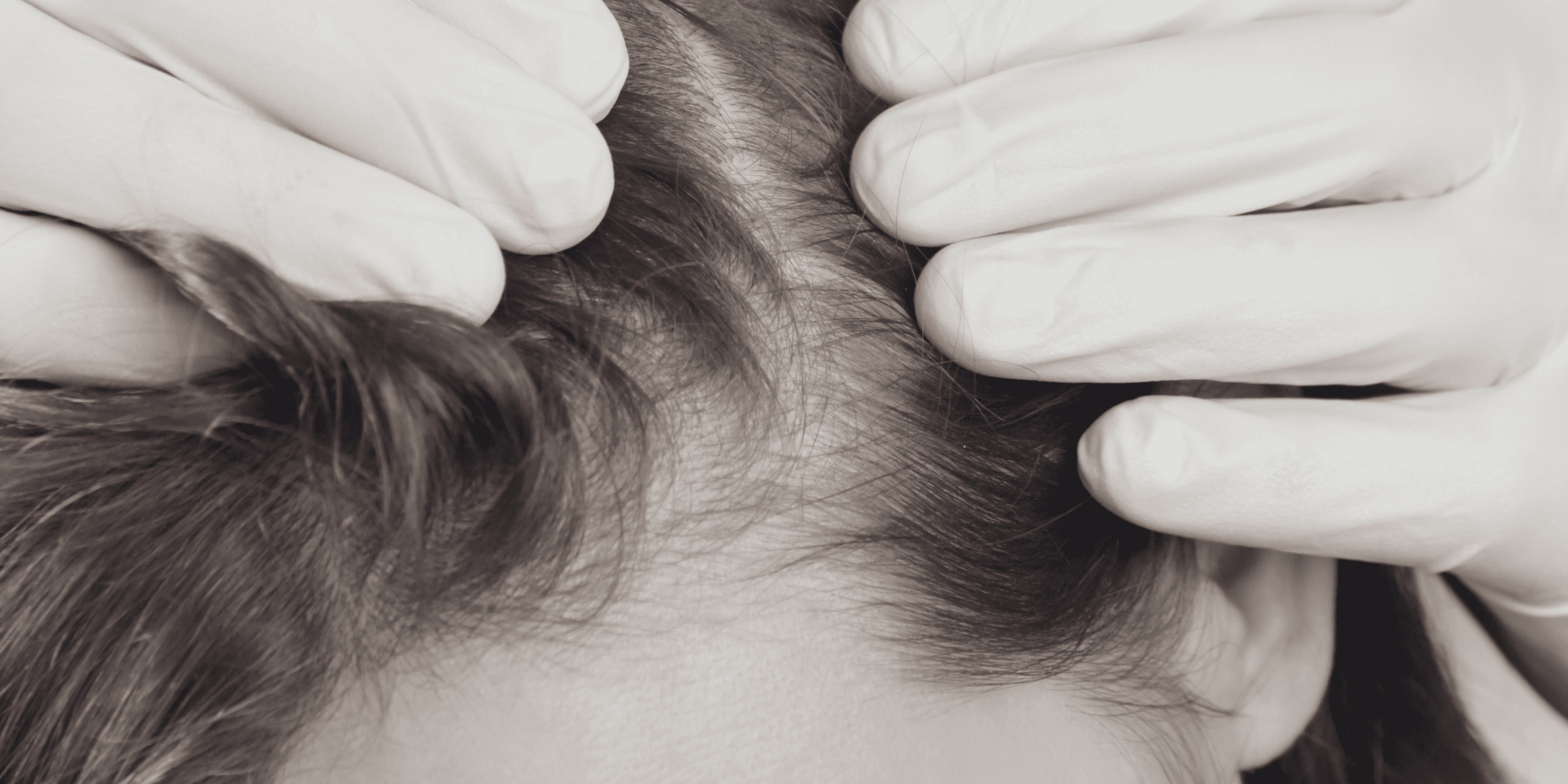
PRP is less effective in advanced baldness where follicles have been inactive for years. If the follicles are no longer present, PRP cannot bring them back.
It is also not considered a primary treatment for conditions such as scarring alopecia, active autoimmune hair disorders, untreated scalp inflammation, or hair loss caused by severe nutritional deficiencies. In these situations, addressing the underlying condition is far more important than stimulating the scalp.
PRP is not a one-time treatment. Most patients require an initial series of sessions spaced several weeks apart, followed by maintenance treatments every few months.
Hair growth is a slow process, and visible improvements typically take three to six months to appear. Peak results are often seen between six and twelve months after starting treatment.
In most cases, no. Research suggests that PRP works best when combined with evidence-based therapies such as minoxidil, prescription medications where appropriate, nutritional support, and proper scalp care.
Think of PRP as an enhancer rather than a replacement. It often delivers the best results as part of a comprehensive hair restoration plan.

Because PRP is derived from your own blood, it has an excellent safety profile. Most side effects are mild and temporary, including scalp tenderness, redness, swelling, or minor discomfort after treatment. Serious complications are uncommon when the procedure is performed by trained medical professionals.
The answer depends entirely on your diagnosis. Patients with early-stage pattern hair loss, mild to moderate thinning, and active follicles are generally the best candidates. Those with advanced baldness or untreated medical causes of hair loss may require different treatment approaches.
This is why a proper scalp assessment is essential before starting PRP. The right treatment begins with understanding the cause of your hair loss.
PRP is one of the most researched regenerative treatments available for hair restoration, but it is not a miracle cure. It cannot create new follicles, and it does not work equally well for every type of hair loss.
At Therefore I'm Clinic, we believe successful hair restoration starts with an accurate diagnosis and a personalized treatment plan. By understanding whether PRP is truly suited to your condition, we can help you make informed decisions and achieve realistic, long-term results.
- Gupta AK, Carviel JL. Meta-analysis of Platelet-Rich Plasma for Androgenetic Alopecia.
- Gentile P et al. Platelet-Rich Plasma in Hair Regrowth: A Randomized Controlled Trial.
- Alves R, Grimalt R. Platelet-Rich Plasma in the Treatment of Androgenetic Alopecia.
- American Academy of Dermatology Guidelines on Hair Loss.
- International Journal of Trichology: PRP in Hair Restoration.
- Stevens J et al. Systematic Review of PRP for Hair Loss, Aesthetic Plastic Surgery.