Stubborn fat vs weight: why some areas refuse to change despite diet and exercise

You've been eating healthier, exercising regularly, and watching the number on the scale go down. Yet somehow, your lower belly, love handles, thighs, arms, or double chin seem unchanged.
If this sounds familiar, you're not alone. One of the biggest misconceptions in health and aesthetics is that weight loss and fat loss are the same thing. In reality, stubborn fat behaves very differently from the rest of your body fat, which is why certain areas can remain resistant despite your best efforts.
At Therefore I'm Clinic, one of the most common concerns we hear is: "I've lost weight, but I haven't lost the areas that bother me most." The answer lies in understanding the science of stubborn fat.
When people talk about losing weight, they're usually referring to the number on the scale. However, body weight includes fat, muscle, water, bone, and other tissues. This means you can lose weight without significantly reducing stubborn fat deposits, while others may lose fat and improve body composition without seeing dramatic changes on the scale.
This is why two people with the same weight can look completely different.

Stubborn fat refers to localized fat deposits that are particularly resistant to diet and exercise. Common areas include the lower abdomen, hips, thighs, upper arms, love handles, and double chin. These regions often remain even after significant overall weight loss, leading many people to feel frustrated despite making healthy lifestyle changes.
The answer lies in the biology of fat cells. Research published in the International Journal of Obesity shows that stubborn fat areas contain a higher concentration of alpha-2 receptors, which resist fat breakdown. In contrast, beta receptors encourage fat release. Because stubborn fat has more "fat-storage" receptors, it responds more slowly to calorie deficits and exercise.
This is one reason why the belly, thighs, and love handles are often the last places to slim down.
Many people believe they can target fat loss through specific exercises, but science says otherwise. Hundreds of crunches won't selectively burn belly fat, and endless squats won't specifically reduce thigh fat.
Studies consistently show that fat loss occurs throughout the body, not just in the area being exercised. While targeted workouts can strengthen and tone muscles, they cannot determine where your body burns fat first.
Your genetics play a major role in where you store fat and where you lose it from first. Some people naturally carry more fat around the abdomen, thighs, arms, or chin, regardless of how disciplined they are with diet and exercise.
Hormones also influence fat distribution. Estrogen tends to promote fat storage around the hips and thighs, while elevated cortisol levels from chronic stress are linked to increased abdominal fat. Insulin resistance and hormonal imbalances can further make certain areas more resistant to fat loss.
As you lose weight, your body becomes increasingly protective of its remaining fat stores. This is an evolutionary survival mechanism designed to preserve energy reserves during times of scarcity.
Unfortunately, this means the final pockets of fat are often the most resistant. The lower belly, love handles, thighs, upper arms, and double chin are among the most common areas where people notice this effect.

The foundation of fat loss remains consistent: a balanced calorie deficit, regular resistance training, adequate protein intake, quality sleep, and stress management. However, even after achieving significant weight loss, some localized fat deposits may persist due to genetics and biology.
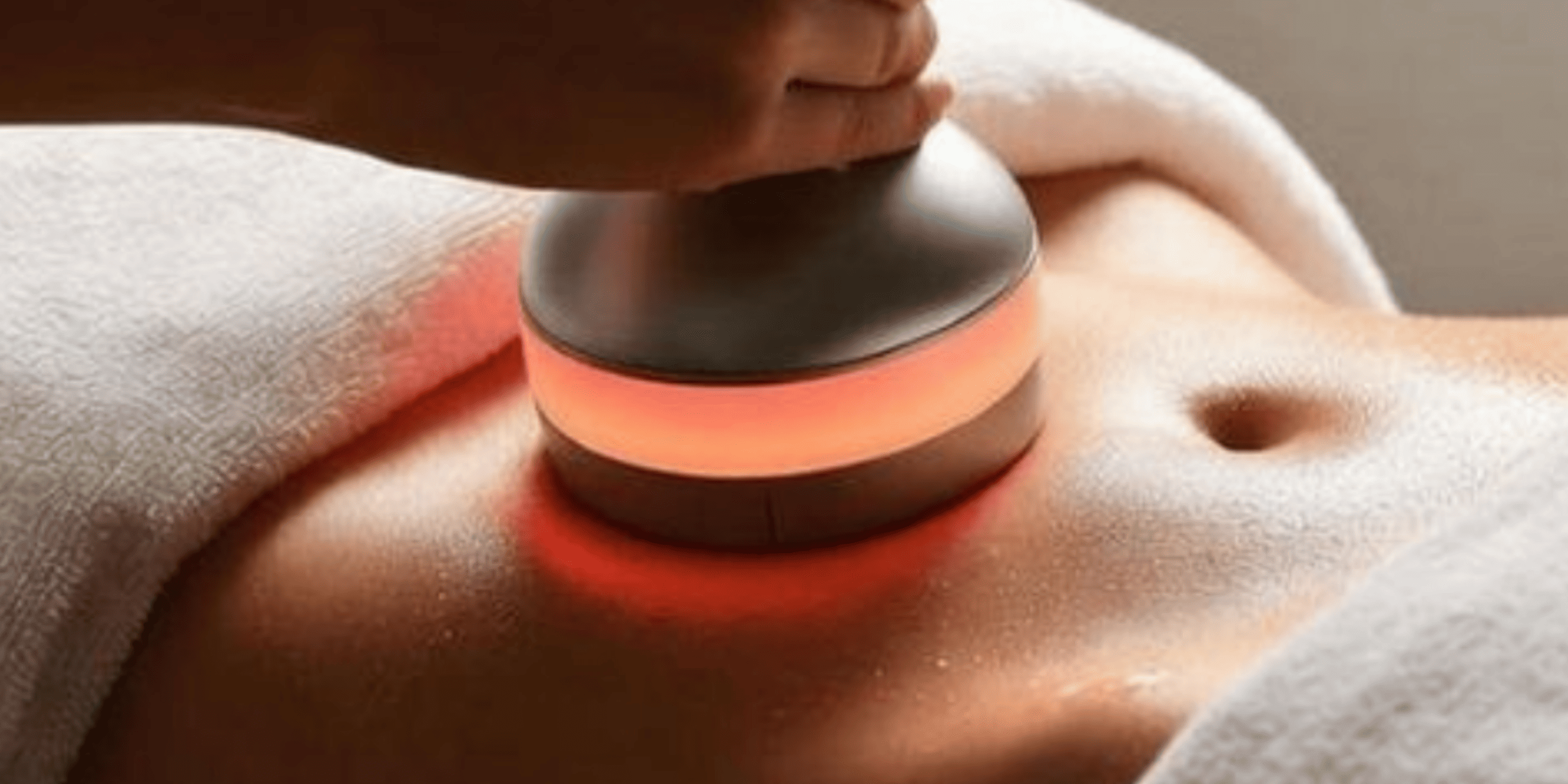
For individuals who are close to their ideal weight but still struggle with specific areas, body contouring treatments may help address resistant fat pockets. These treatments are designed to complement—not replace—a healthy lifestyle.
If you've successfully lost weight but certain areas remain unchanged, it may be worth seeking a professional assessment. Sometimes the concern is stubborn fat, while in other cases it may be loose skin, changes in body composition, or a combination of both.
A personalized evaluation can help determine the most effective approach based on your goals and body type.
Weight loss and stubborn fat reduction are not the same thing. You can lose kilograms on the scale and still struggle with specific areas because stubborn fat is influenced by genetics, hormones, and the biology of fat cells—not simply willpower.
Understanding this difference helps set realistic expectations and allows you to focus on evidence-based solutions rather than fitness myths. At Therefore I'm Clinic, we take a personalized, research-driven approach to body contouring and fat reduction, helping patients understand the difference between weight loss, fat loss, and body shaping so they can make informed decisions about their health and confidence.
- Arner P. Regional Differences in Lipolysis and Fat Cell Metabolism. International Journal of Obesity.
- Rosenbaum M, Leibel RL. Adaptive Thermogenesis in Humans. International Journal of Obesity.
- Blaak E. Gender Differences in Fat Metabolism. Current Opinion in Clinical Nutrition and Metabolic Care.
- American Society for Dermatologic Surgery Guidelines on Body Contouring.
- National Institutes of Health (NIH): Obesity, Fat Distribution, and Metabolic Health.
- Harvard T.H. Chan School of Public Health: Body Weight, Fat Distribution, and Health Outcomes.