Hair Fall vs Hair Thinning: they are not the same thing (and the treatment isn't either)


Most people use hair fall and hair thinning interchangeably, but dermatologists know they are very different conditions.
At Therefore I'm Clinic, many patients come in worried about hair loss, only to discover that what they are experiencing is either excessive shedding (hair fall) or reduced hair density (hair thinning). While both can affect your confidence, they have different causes and require different treatments.
Understanding the difference is the first step toward choosing the right solution.
Before you worry about a few strands on your pillow or in the shower, it's important to know that shedding 50–100 hairs a day is completely normal. Hair naturally cycles through growth, transition, and resting phases, with around 85–90% of scalp hair actively growing at any given time.
So, seeing some hair fall every day doesn't necessarily mean you're losing hair permanently.
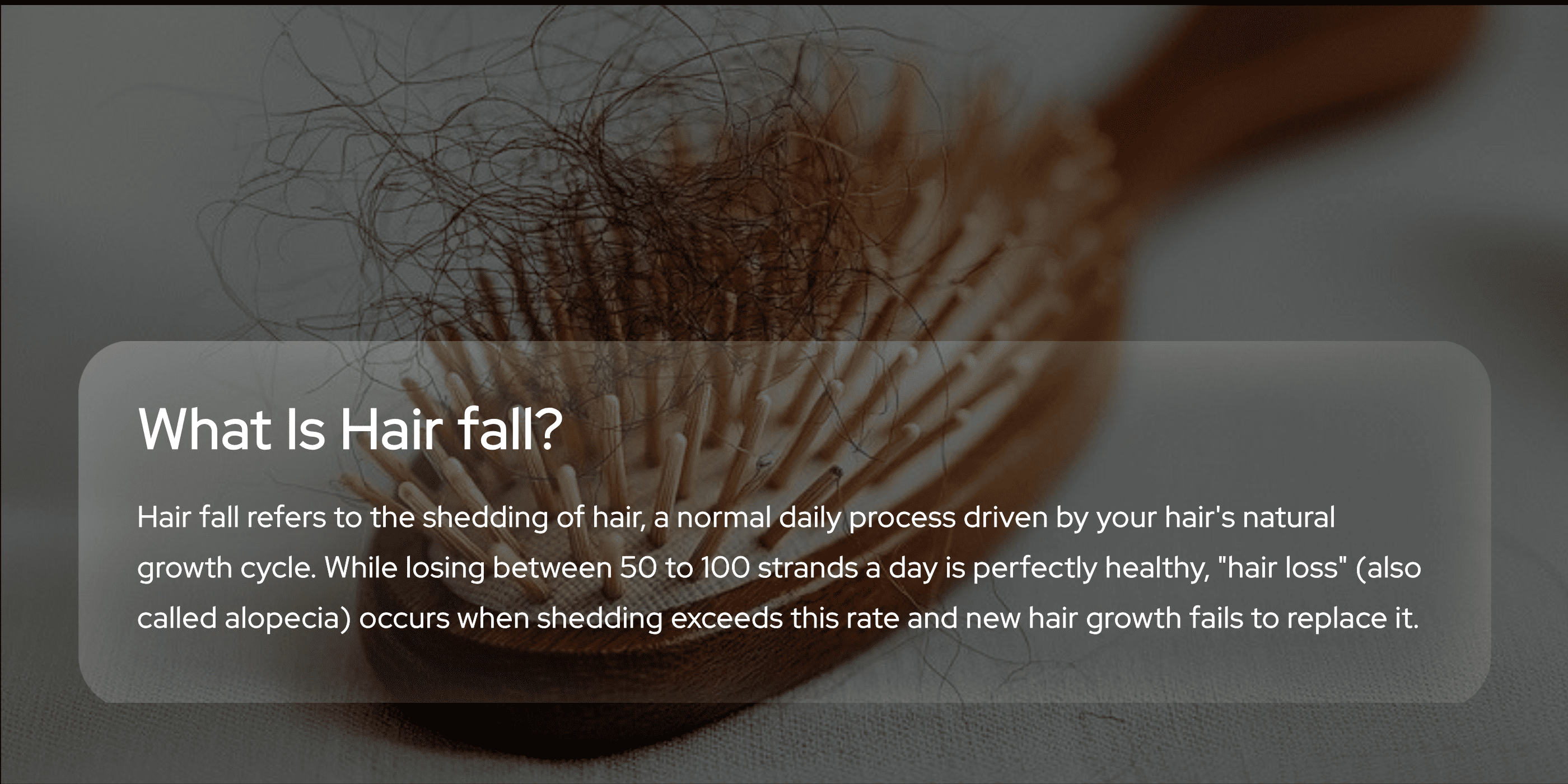
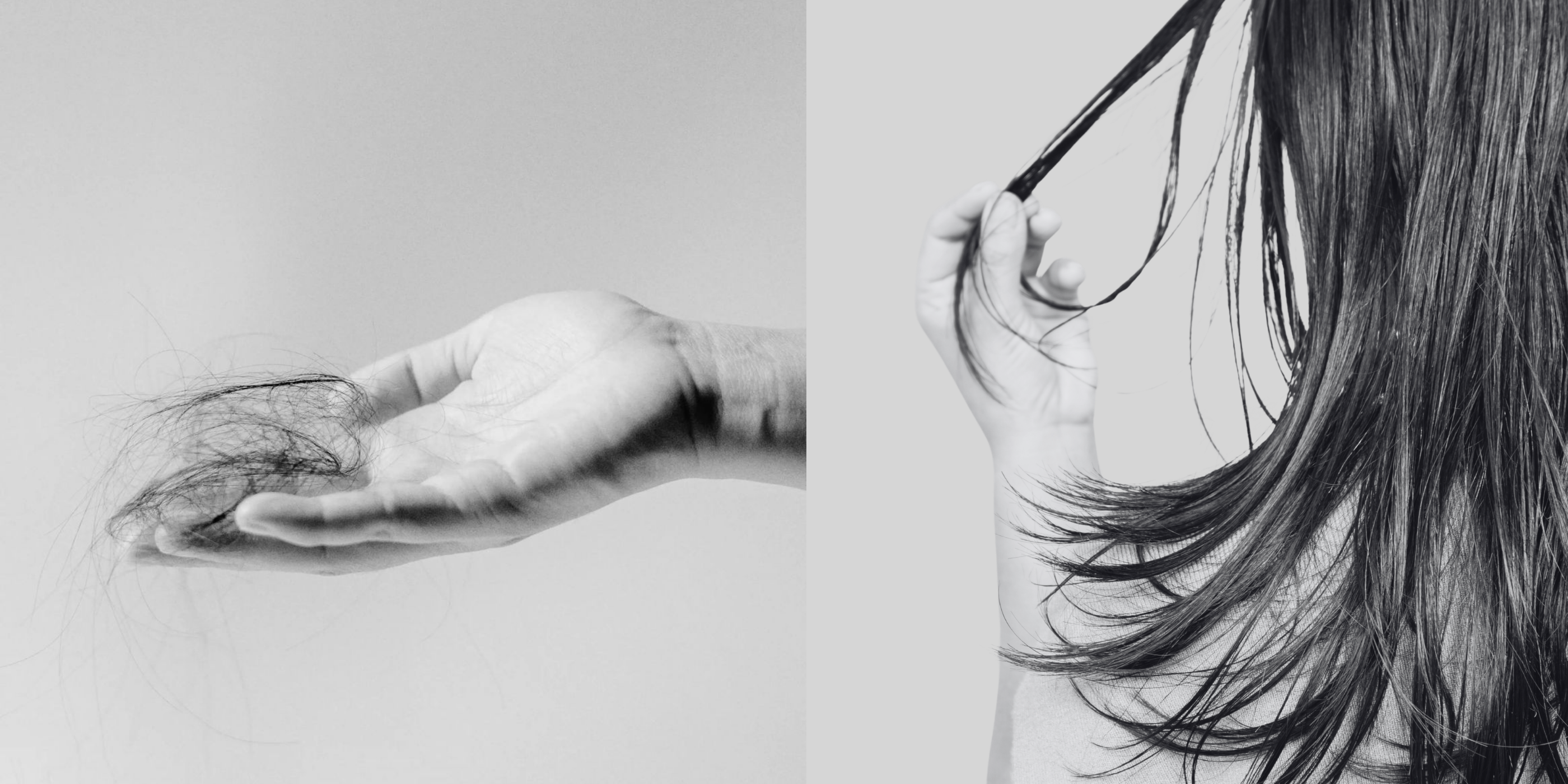
Hair fall refers to excessive shedding of hair strands. You may notice more hair in the shower drain, on your pillow, or while brushing your hair. Despite this increased shedding, your overall hair density may still appear normal.
Common triggers include physical or emotional stress, illnesses such as dengue or COVID-19, nutritional deficiencies like low iron or vitamin D, and hormonal changes after pregnancy or childbirth. In many cases, hair fall is temporary and improves once the underlying cause is identified and treated.
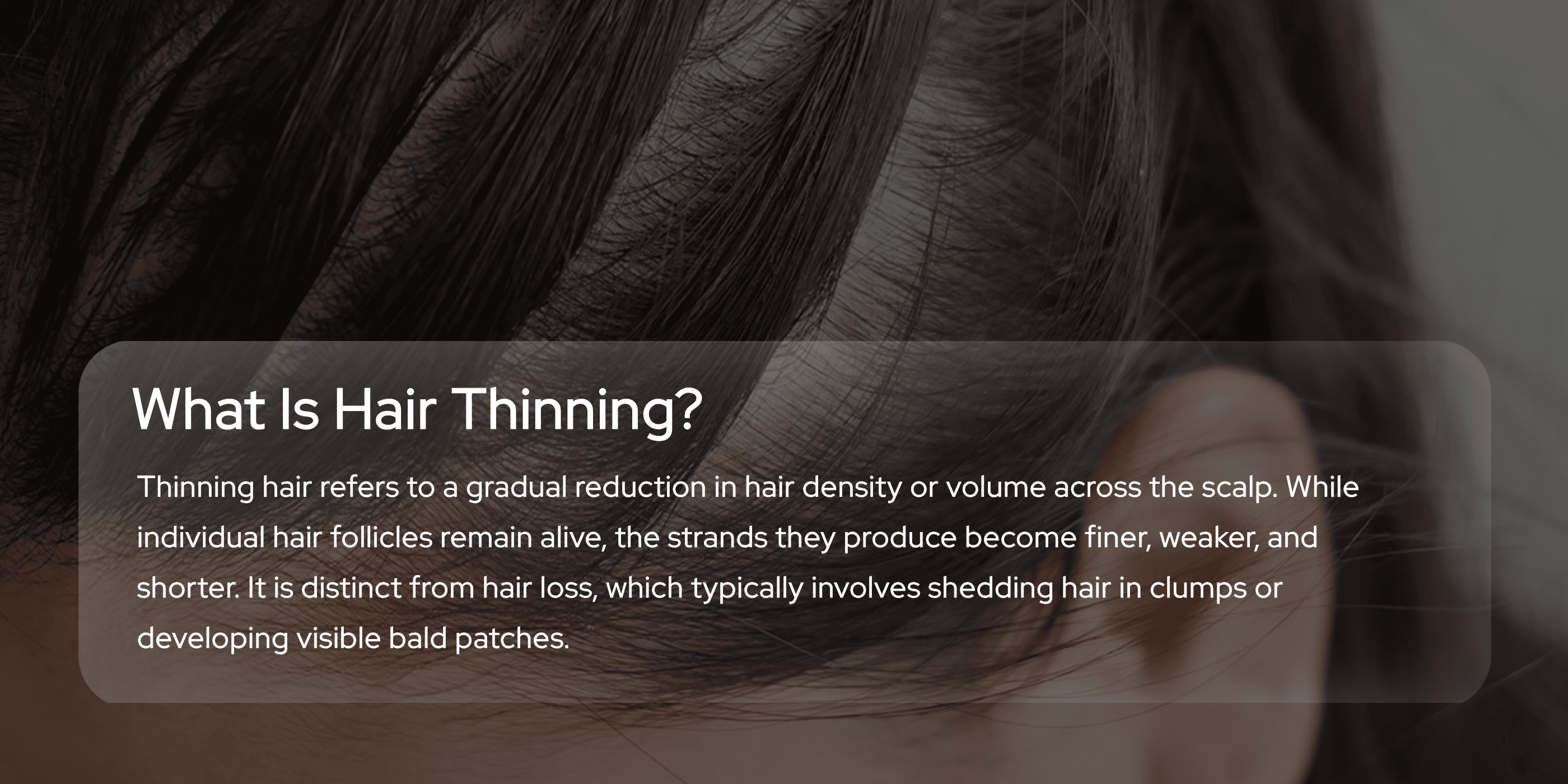
The leading cause of hair thinning is androgenetic alopecia, commonly known as pattern hair loss. Studies estimate that by age 50, up to 50% of men and nearly 40% of women show signs of this condition.
Pattern hair loss is largely driven by genetics and increased sensitivity of hair follicles to dihydrotestosterone (DHT). Over time, affected follicles shrink and produce progressively thinner hairs, eventually leading to visible thinning.
Hair Fall
Excessive shedding
Often sudden in onset
Hair found on pillows, brushes, and drains
Often reversible
Commonly linked to stress, illness, or deficiencies
Hairline often remains unchanged
Hair Thinning
Reduced density
Usually gradual
Less noticeable shedding
Progressive without treatment
Usually genetic and hormonal
Hairline or parting may widen
Many people self-diagnose and spend years trying hair oils, shampoos, supplements, and home remedies. While some of these may help reduce shedding, they do little to address follicle miniaturization, which is the hallmark of hair thinning.
As hair loss expert Dr. Rodney Sinclair has emphasized, early diagnosis is critical because miniaturized follicles become increasingly difficult to restore over time.
For hair fall, treatment focuses on identifying and correcting the trigger. This may involve addressing nutritional deficiencies, managing stress, treating underlying illnesses, or evaluating hormonal imbalances. Once the cause is corrected, shedding often improves significantly.
For hair thinning, the goal is to preserve and strengthen existing follicles before significant miniaturization occurs. Evidence-based treatments may include minoxidil, prescription medications, PRP (Platelet-Rich Plasma), growth factor therapies, low-level laser therapy, and scalp health optimization. Early intervention generally produces the best outcomes.
If you've been experiencing excessive shedding for more than three months, notice a widening part line, reduced ponytail thickness, visible scalp, a receding hairline, or have a family history of hair loss, it's worth seeking professional evaluation.
Hair loss is often much easier to manage in its early stages than after years of progression.
Hair fall and hair thinning may look similar, but they are fundamentally different conditions.
Hair fall is usually a shedding problem, often triggered by stress, illness, nutritional deficiencies, or hormonal changes. Hair thinning is typically a follicle problem, commonly driven by genetics and hormonal sensitivity.
Because the causes are different, the treatments are different too.
At Therefore I'm Clinic, we use detailed scalp analysis and evidence-based dermatology to identify the real cause of your hair concerns and create a treatment plan tailored to your needs. Because the first step toward healthier hair isn't another shampoo—it's the right diagnosis.
- Sinclair R. Male and Female Pattern Hair Loss: Current Concepts.
- Olsen EA. Female Pattern Hair Loss. Journal of the American Academy of Dermatology.
- Malkud S. Telogen Effluvium: A Review. Journal of Clinical and Diagnostic Research.
- Gupta AK et al. Androgenetic Alopecia and Current Treatment Strategies.
- American Academy of Dermatology Guidelines on Hair Loss.
- International Journal of Trichology: Hair Growth Cycle and Hair Disorders.