
BODY DEPARTMENT
Stretch Marks
Explore
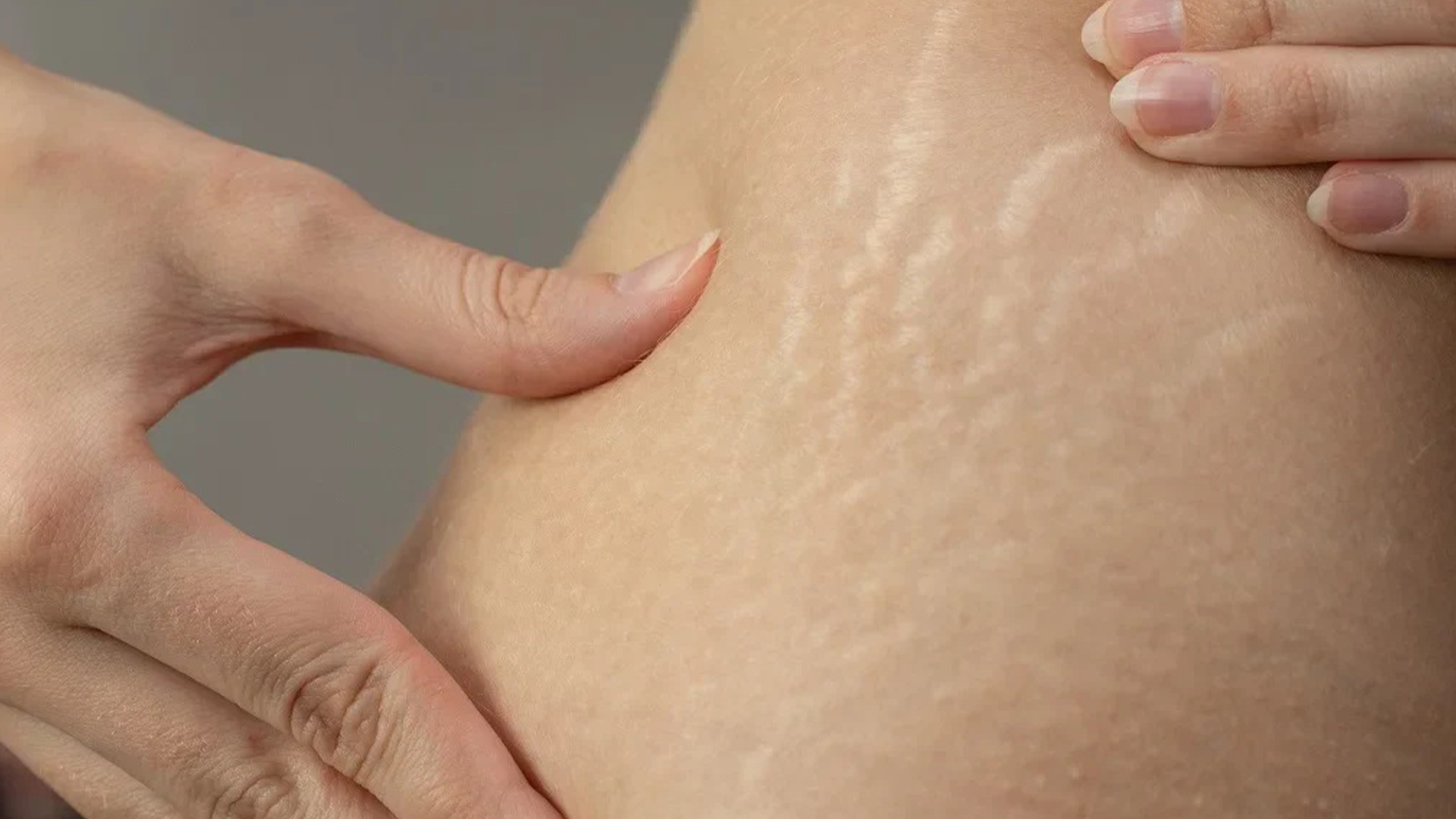
Stretch marks are a form of dermal scarring that occurs when the skin is stretched beyond its natural elastic capacity. They appear as linear streaks — starting as red, purple or pink before gradually fading to silvery-white. Newer marks respond far better to treatment.
Not sure about your concern ?
Explore Treatments
Mono Threads for Body
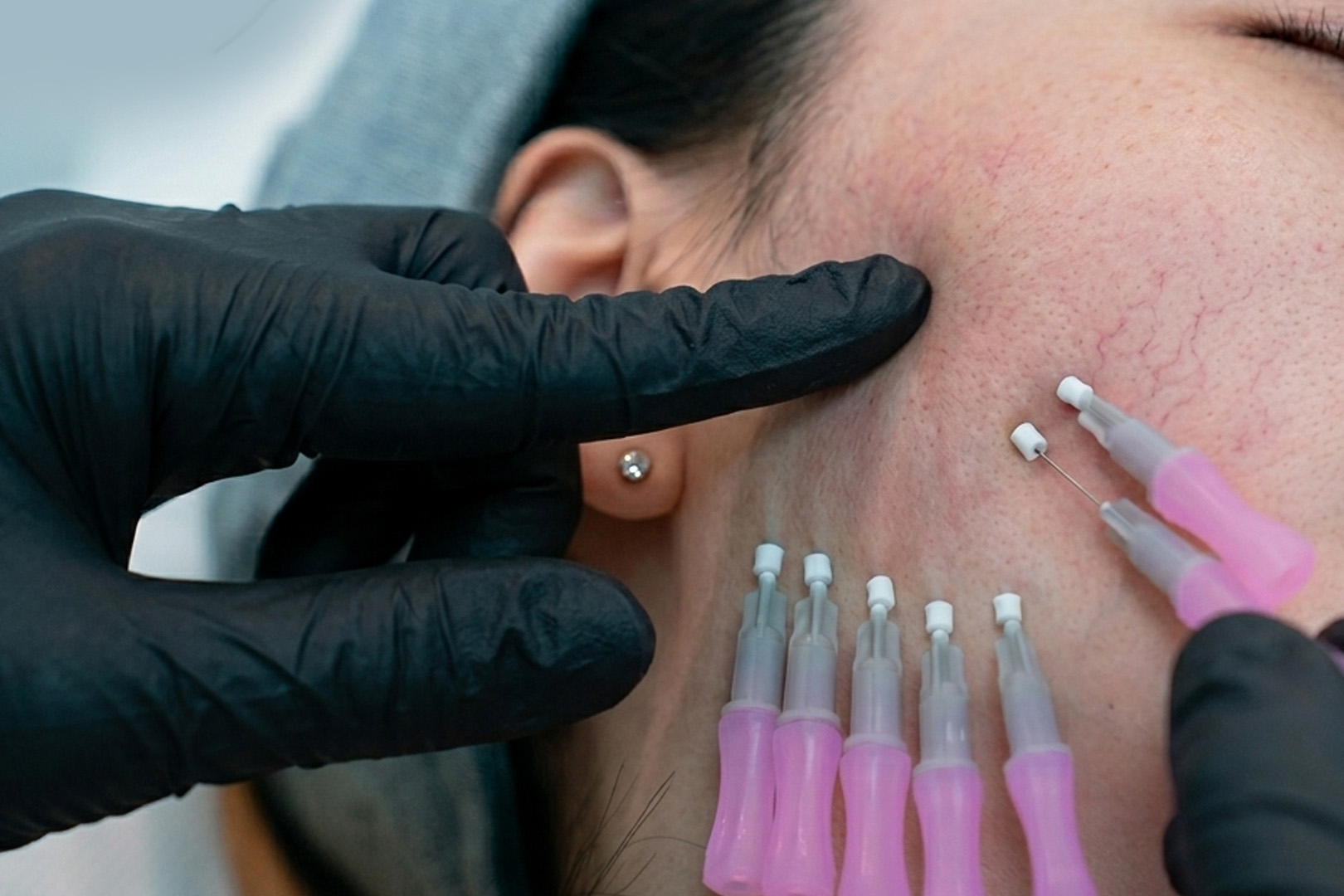
Smooth threads placed into the superficial skin layers to stimulate collagen production and improve skin quality, thickness and resilience over time.
COG Thread Lift
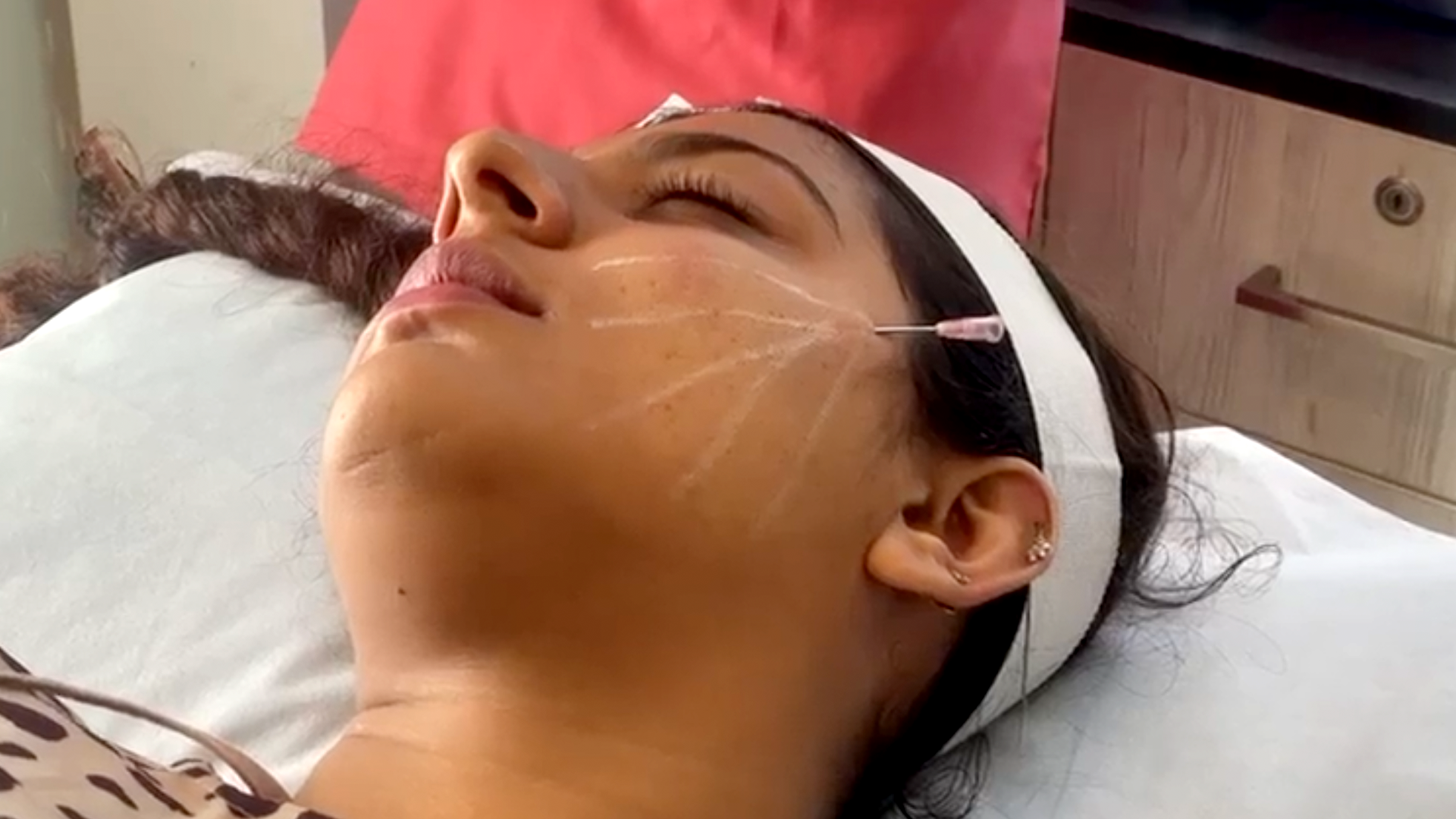
A minimally invasive thread lift repositioning sagging facial tissue using barbed dissolvable threads for an immediate lift and long-term collagen response.
HIFU for Body
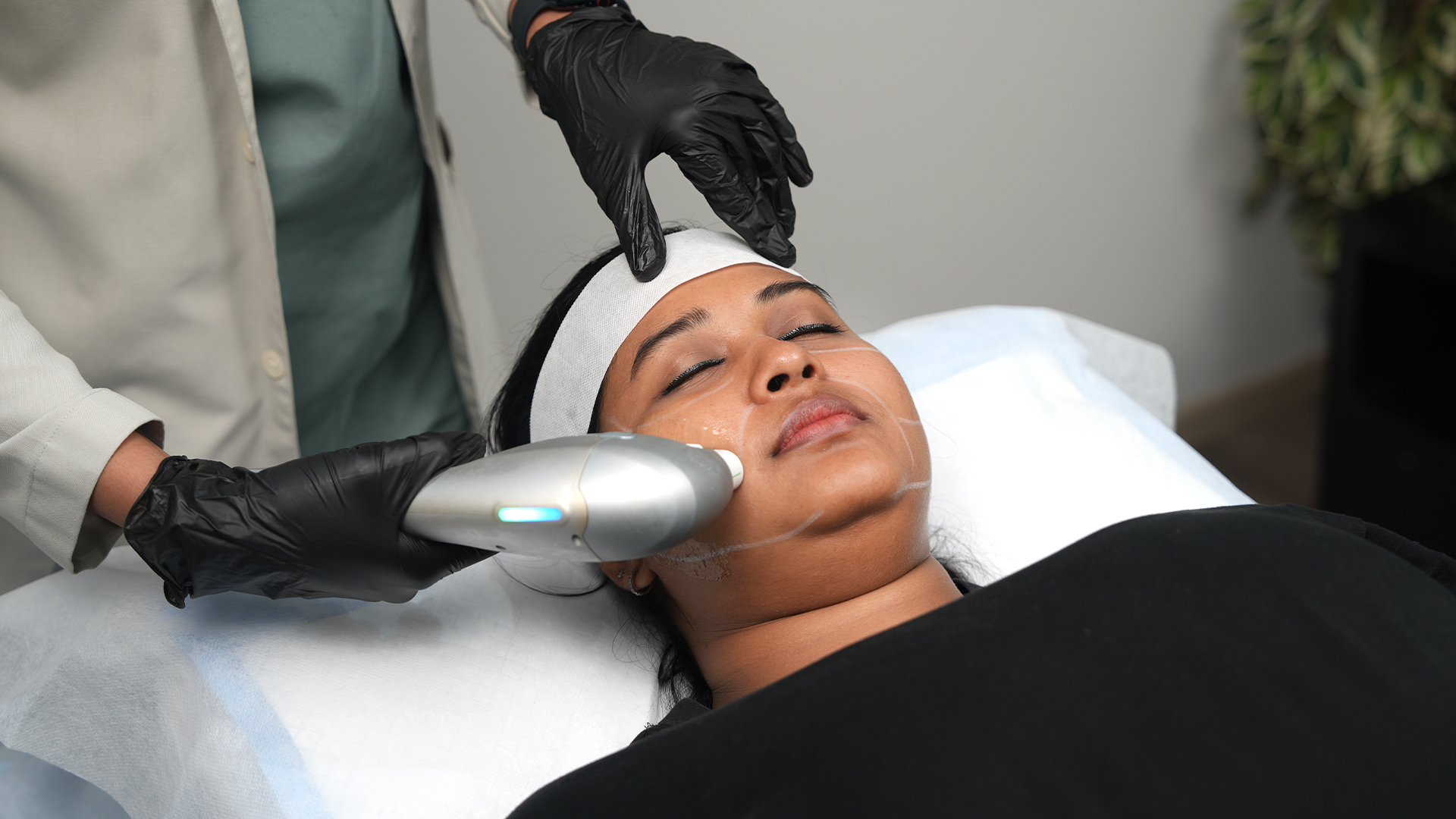
Focused ultrasound energy delivered to deeper skin layers to stimulate collagen, gradually tightening and firming areas that have lost their structure.
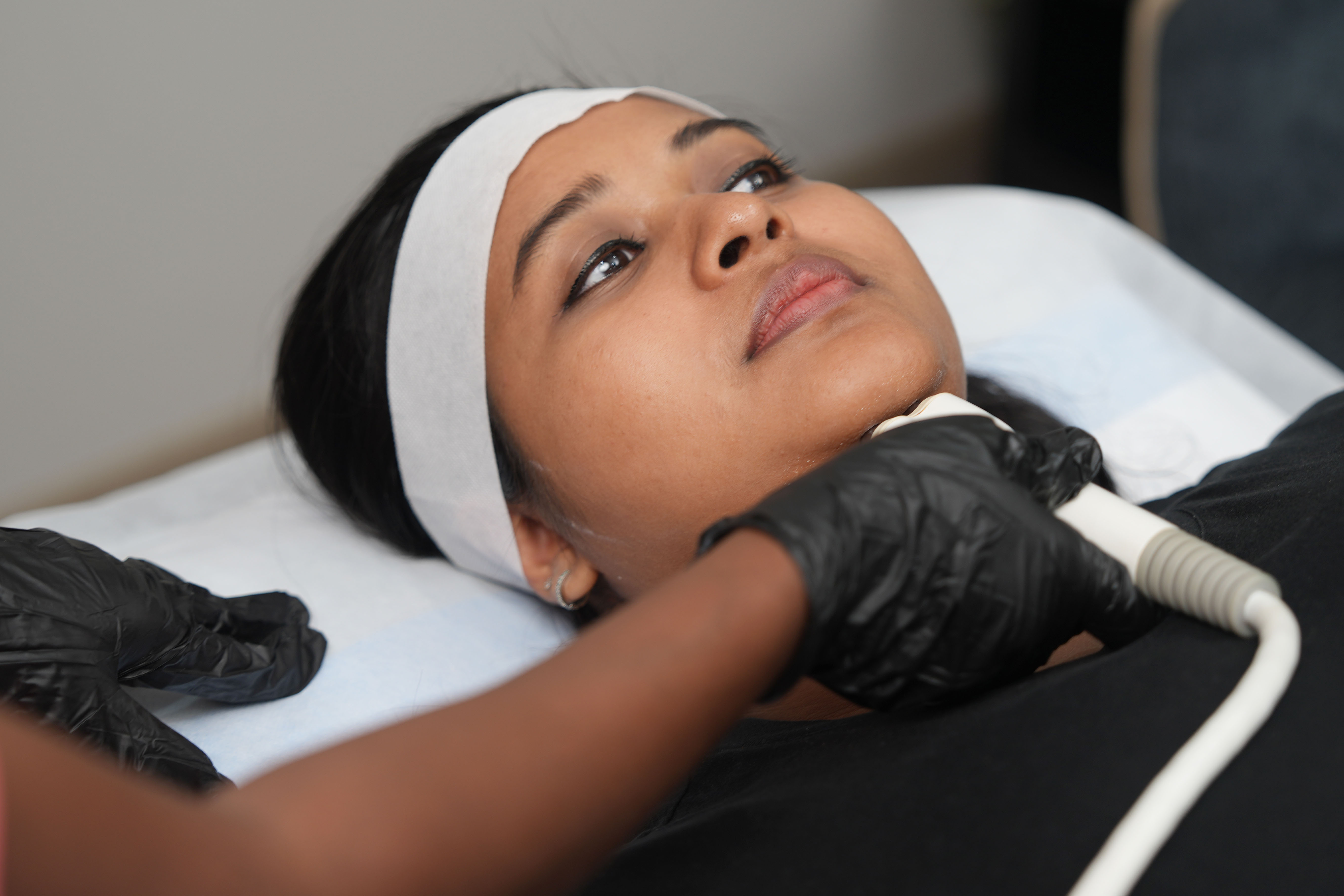
Body Contouring
A non-surgical treatment targeting resistant fat deposits using controlled cooling, heat, ultrasound or radiofrequency to reshape specific areas.
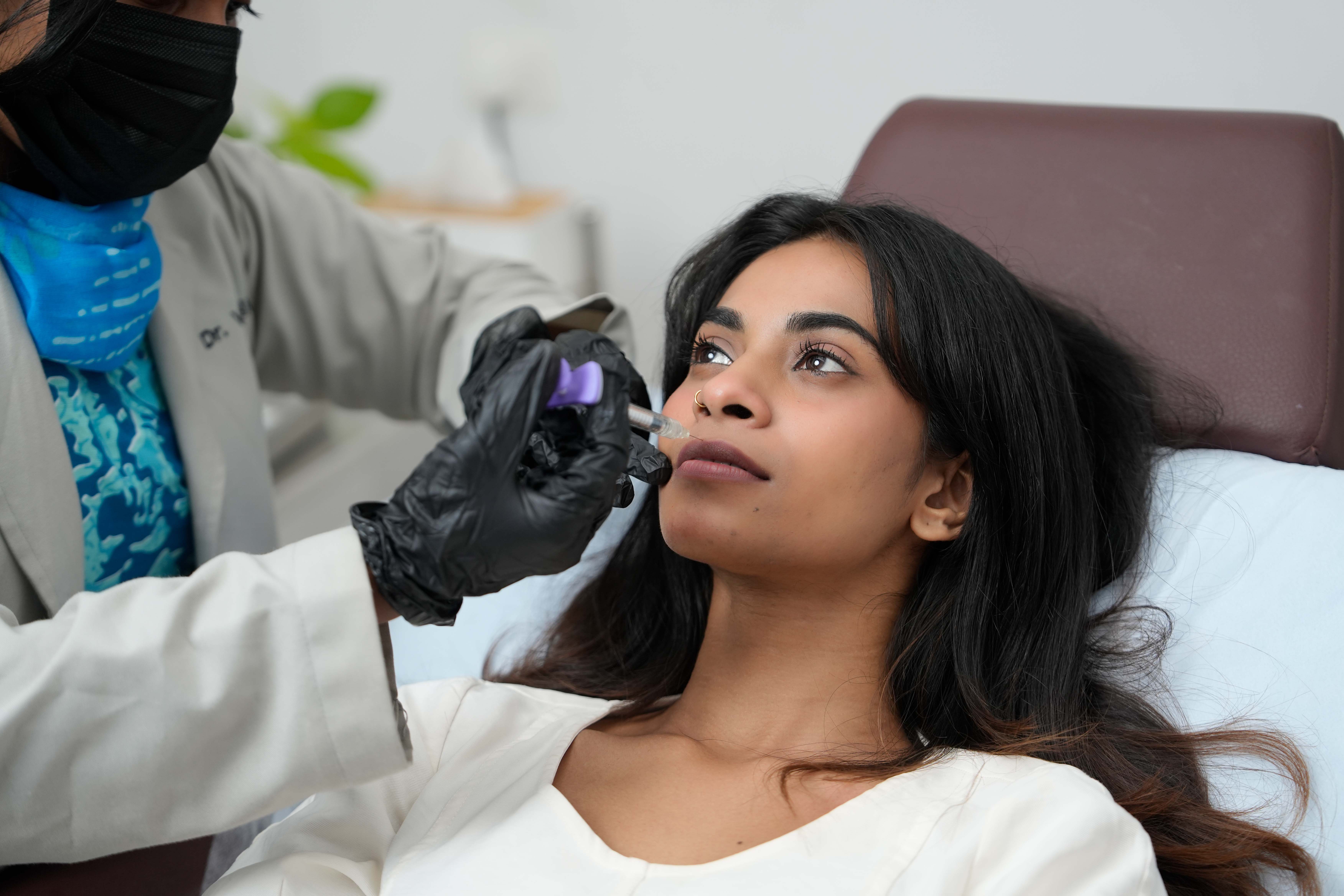
Body Fillers
Injectable fillers that restore volume and contour to areas that have lost structure due to ageing, weight changes or natural anatomy.
The full picture of
hair thinning.
01
Why It Happens
+
02
Who It Affects
+
03
How We Approach It
+
A consultation is just a conversation
You come in with your concerns, we take the time to understand them, and you leave with a clearer picture than you walked in with.
How many sessions are needed?
+
Most patients require 4–6 sessions spaced 3–4 weeks apart. Improvement is gradual, with visible changes in texture and tone developing progressively throughout the course.
Are newer or older stretch marks easier to treat?
+
Newer stretch marks (red, pink, or purple) respond better to treatment as the skin is still in an active repair phase. Older white or silver marks can still improve but typically require a longer treatment course.
Can stretch marks be completely removed?
+
No. Stretch marks are a form of scar tissue and cannot be fully erased. However, their appearance including colour, texture, and depth can be significantly improved, especially with early treatment.


