
BODY DEPARTMENT
Fat Deposits
Explore
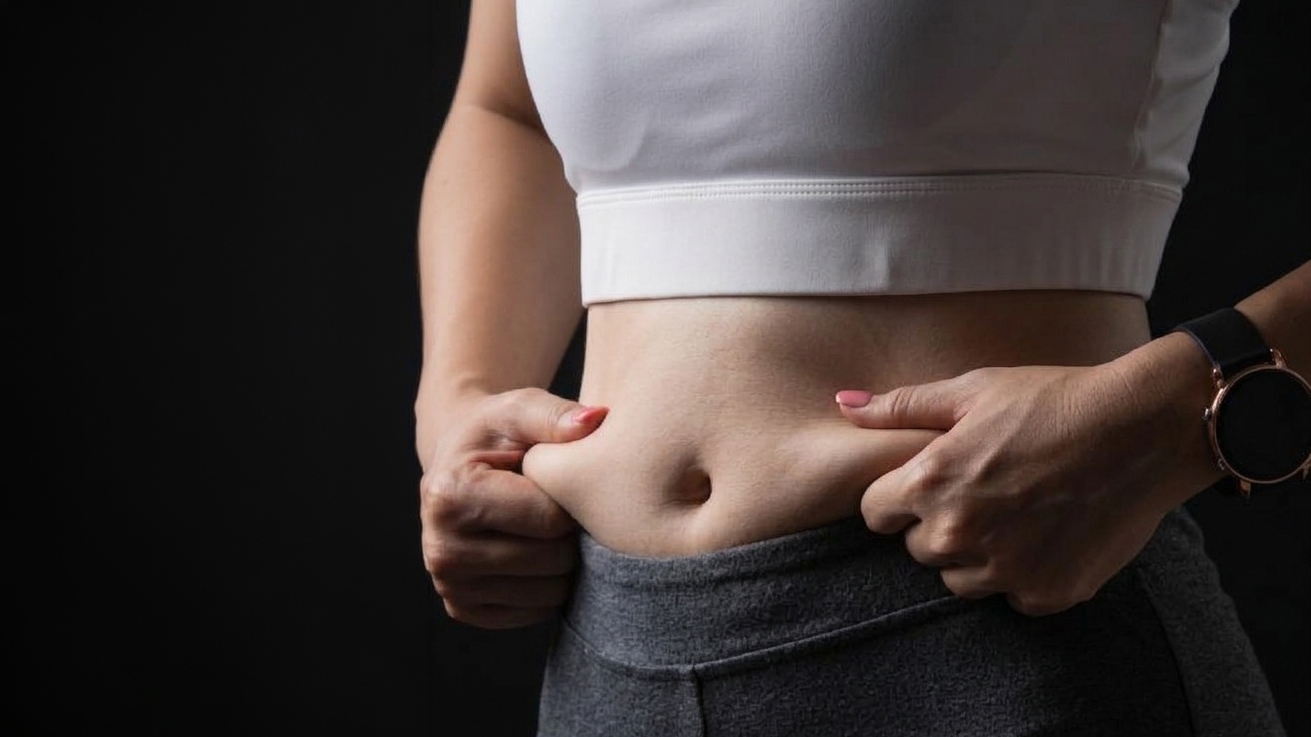
These are structurally determined pockets of adipose tissue that persist despite lifestyle efforts. Diet is in order. Movement is consistent. And still certain areas sit exactly where they always have. That is what body contouring is designed to address.
Not sure about your concern ?
Explore Treatments
Mono Threads for Body
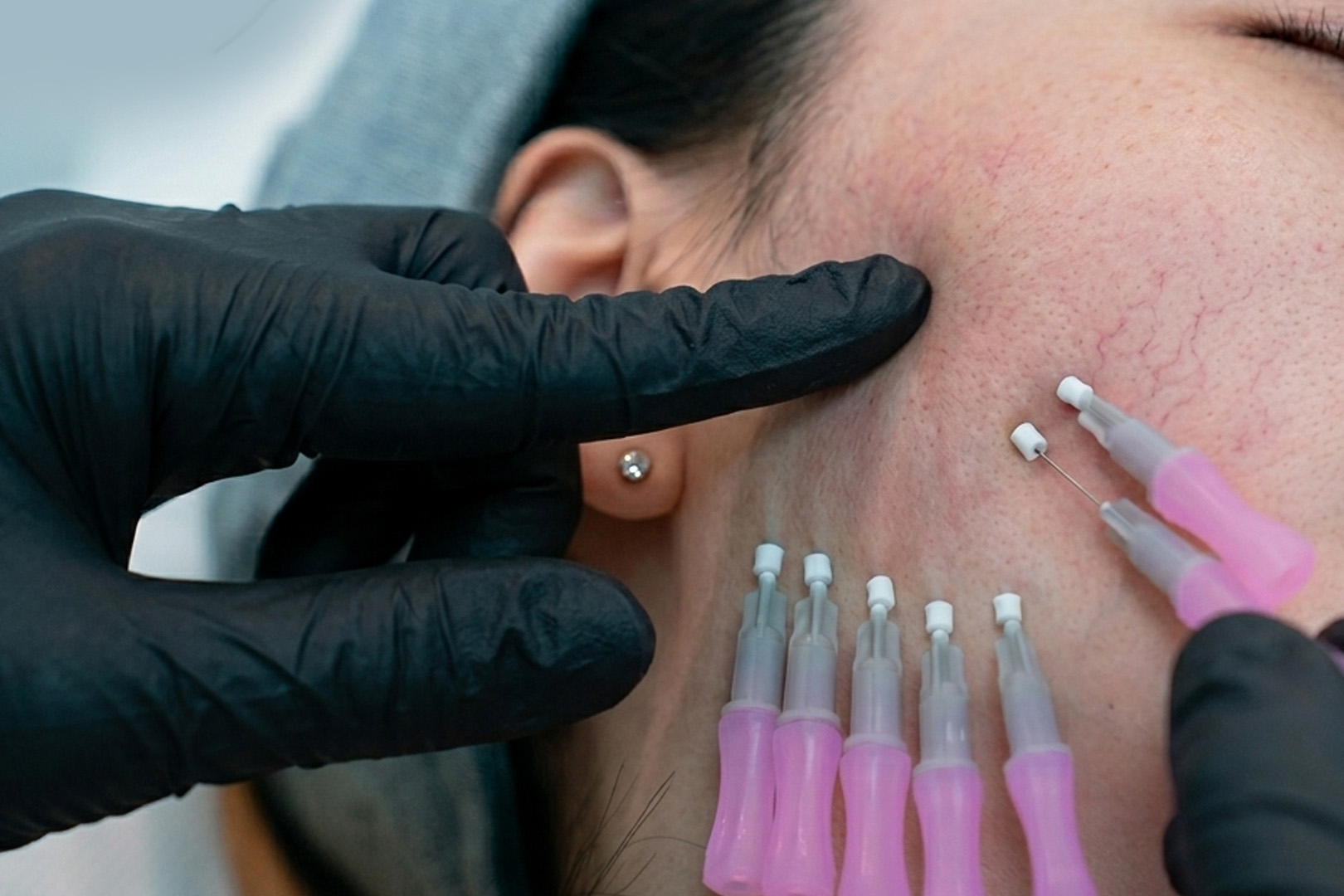
Smooth threads placed into the superficial skin layers to stimulate collagen production and improve skin quality, thickness and resilience over time.
COG Thread Lift
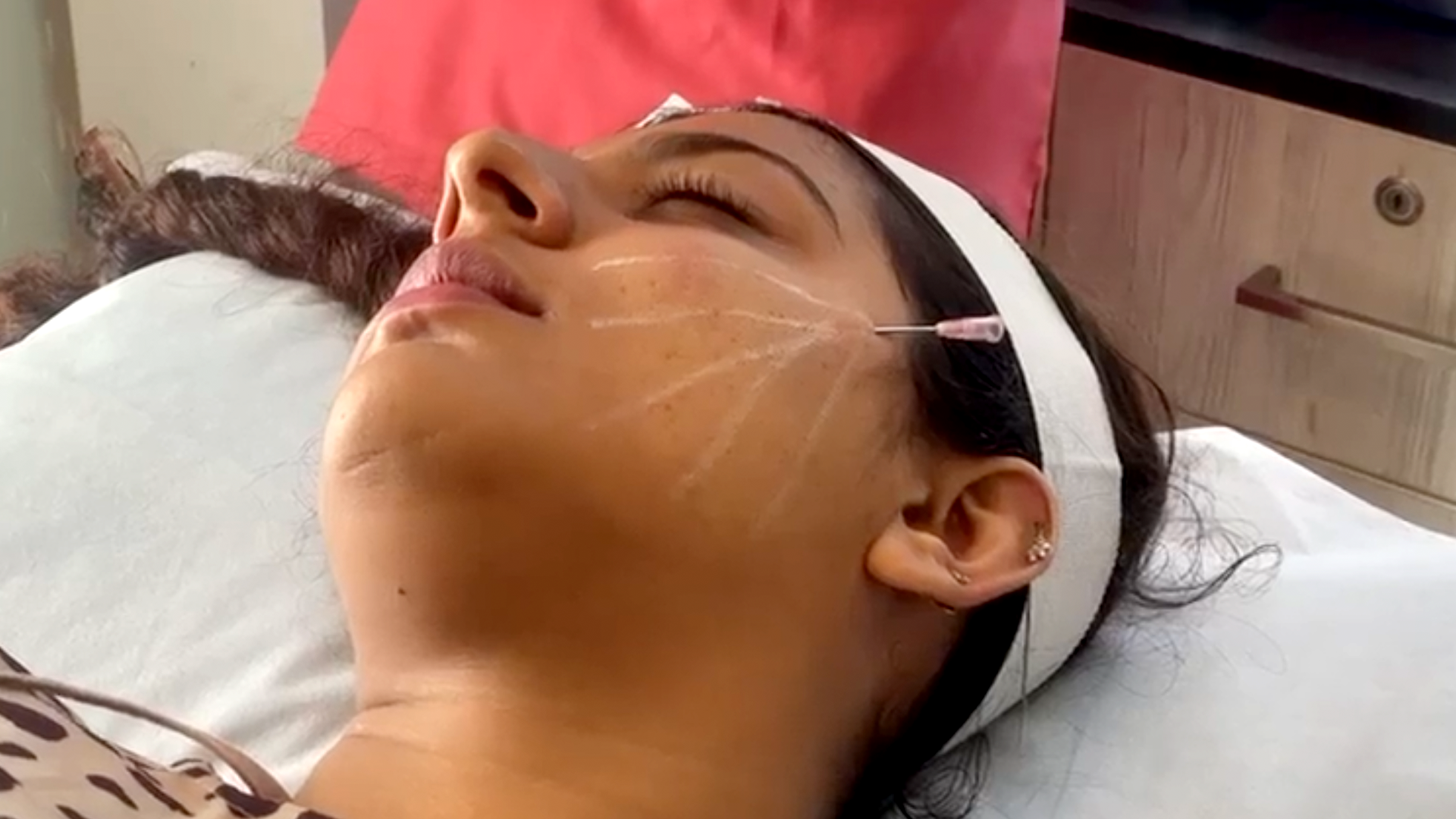
A minimally invasive thread lift repositioning sagging facial tissue using barbed dissolvable threads for an immediate lift and long-term collagen response.
HIFU for Body
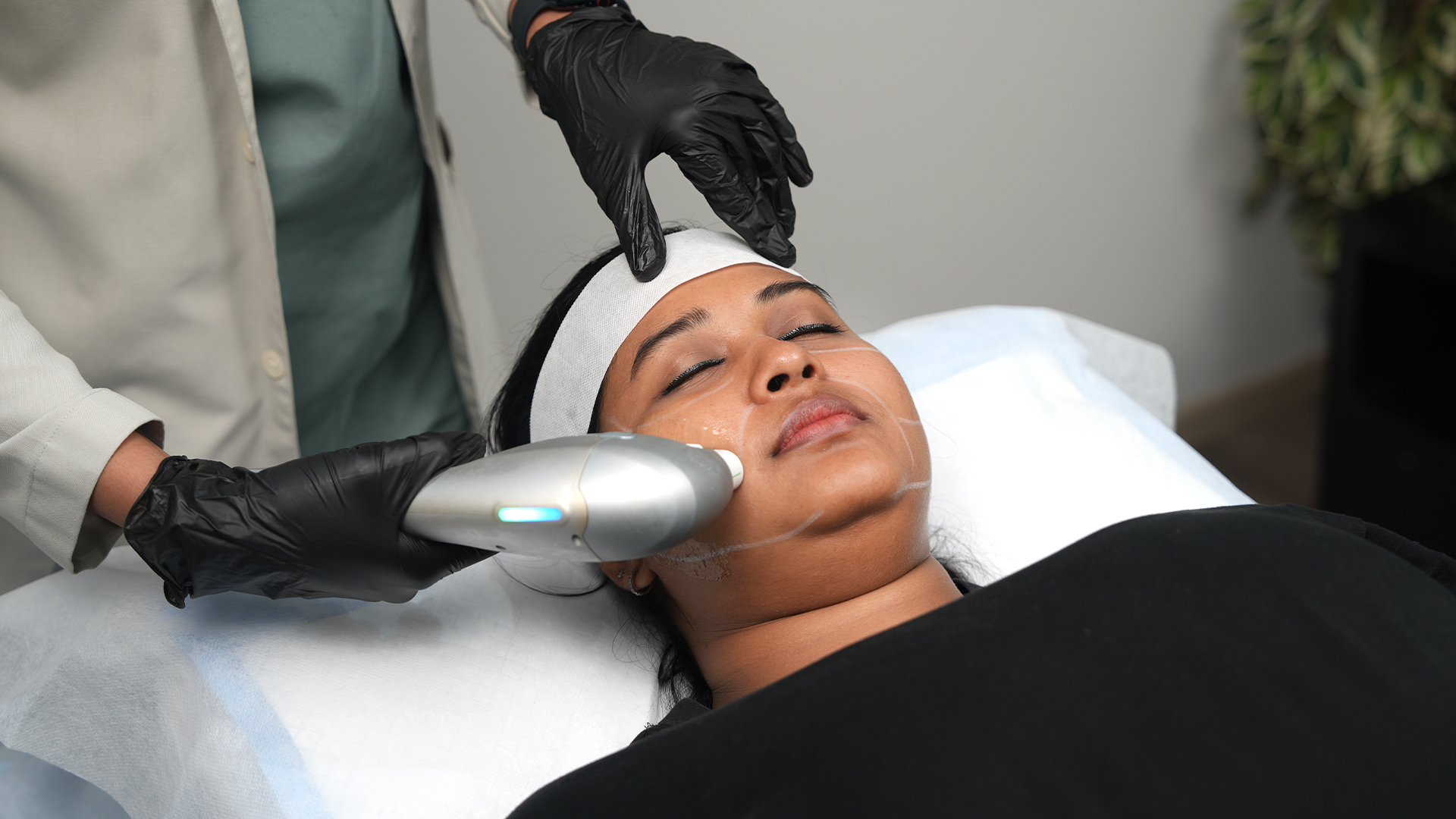
Focused ultrasound energy delivered to deeper skin layers to stimulate collagen, gradually tightening and firming areas that have lost their structure.
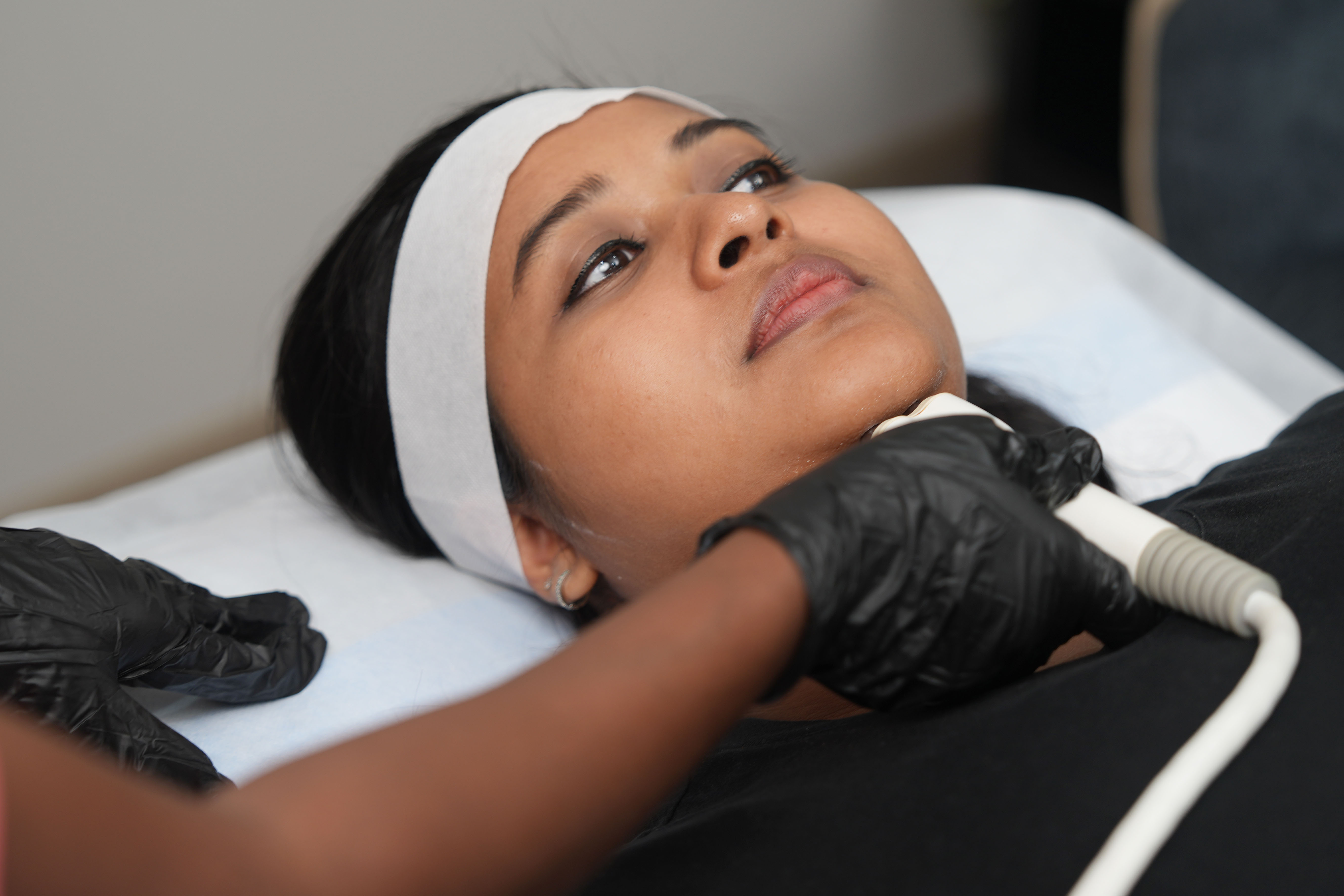
Body Contouring
A non-surgical treatment targeting resistant fat deposits using controlled cooling, heat, ultrasound or radiofrequency to reshape specific areas.
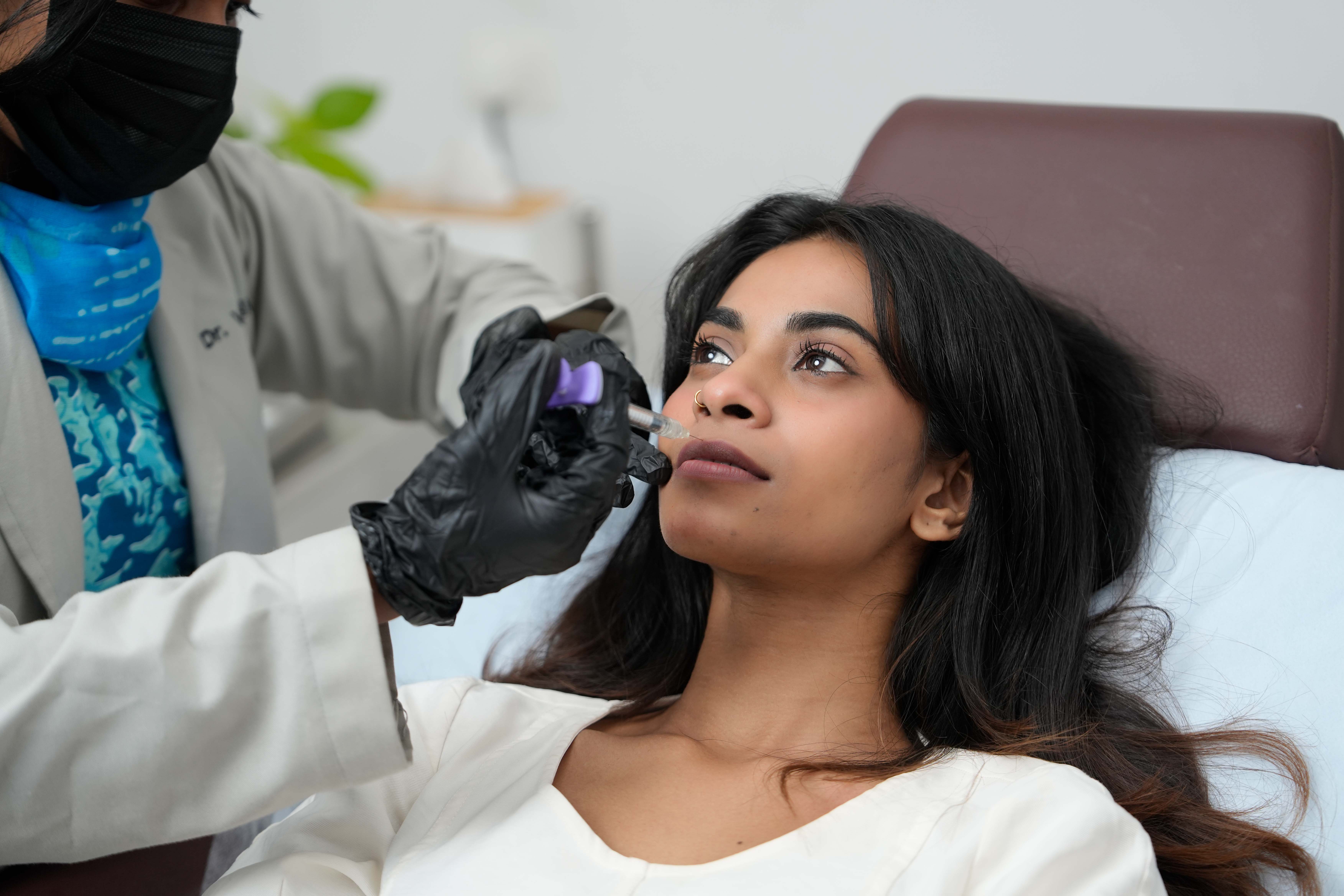
Body Fillers
Injectable fillers that restore volume and contour to areas that have lost structure due to ageing, weight changes or natural anatomy.
The full picture of
hair thinning.
01
Why It Happens
+
02
Who It Affects
+
03
How We Approach It
+
A consultation is just a conversation
You come in with your concerns, we take the time to understand them, and you leave with a clearer picture than you walked in with.
How many sessions are required?
+
Most patients begin to see visible contour changes after 2–3 sessions. Final results are typically assessed 6–8 weeks after the last session, once tissue response has fully settled.
Is this a weight loss treatment?
+
No. These procedures are designed for localised fat deposits in individuals who are already near their ideal weight. They are body contouring treatments, not weight loss solutions.
Are fat reduction results permanent?
+
Fat cells destroyed through lipolytic injections do not regenerate, making results long-lasting in treated areas. However, remaining fat cells can still expand with weight gain. Maintaining a stable lifestyle is important for sustained results.


