

SKIN DEPARTMENT
Pigmentation
Explore
Pigmentation refers to the uneven darkening of skin caused by excess melanin. It ranges from mild sun spots to deeper conditions like melasma. It is not medically harmful — but it tends to recur and worsen with sun exposure if not properly managed.
Not sure about your concern?
Talk to an expert
→
Book a consultation
→
Explore Treatments
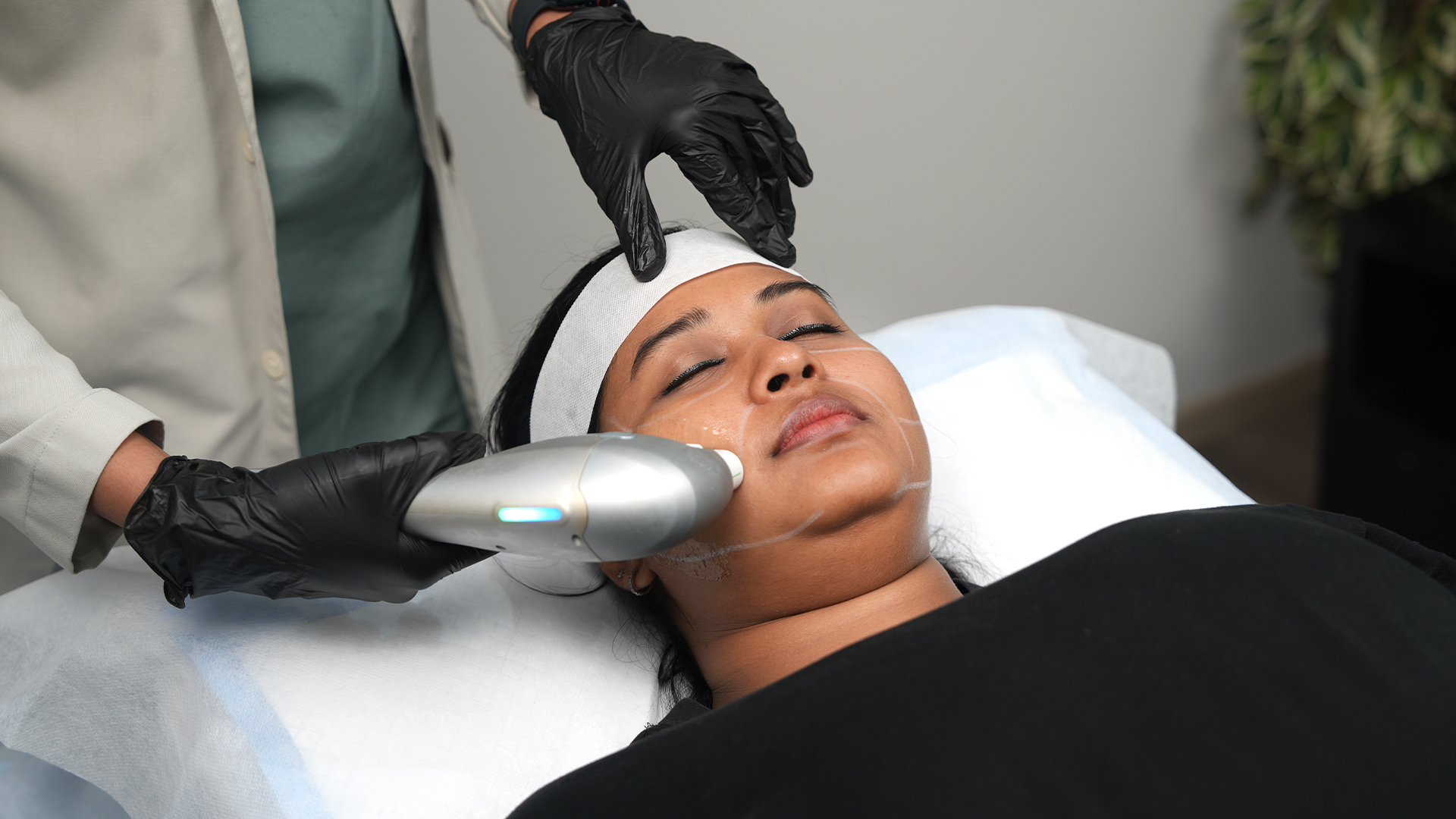
HIFU for Skin
A non-invasive skin tightening treatment using focused ultrasound energy to stimulate collagen deep beneath the surface, lifting and firming without incisions.
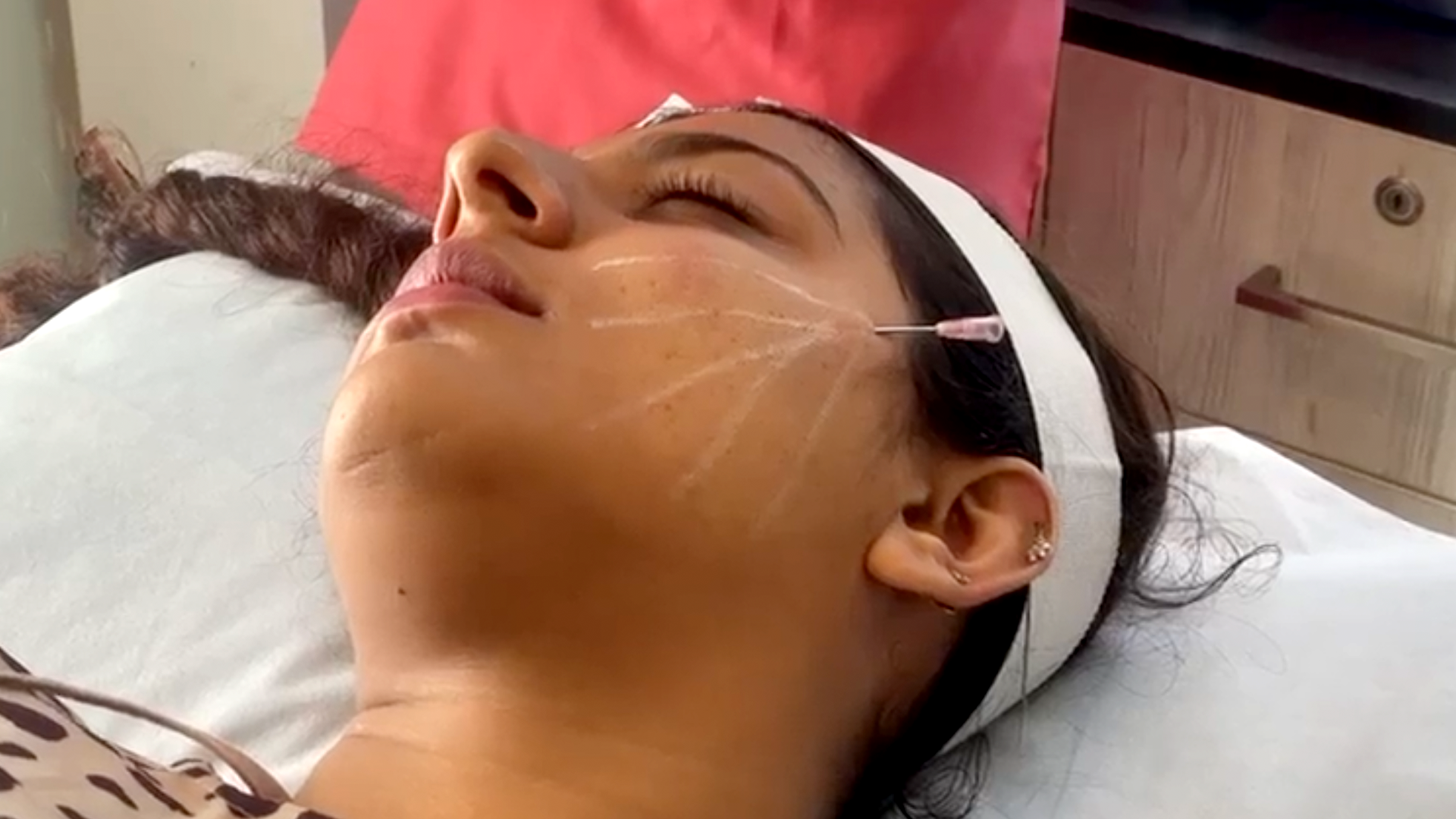
COG Threads
A minimally invasive thread lift using barbed dissolvable threads to immediately reposition sagging tissue while stimulating long-term collagen production.
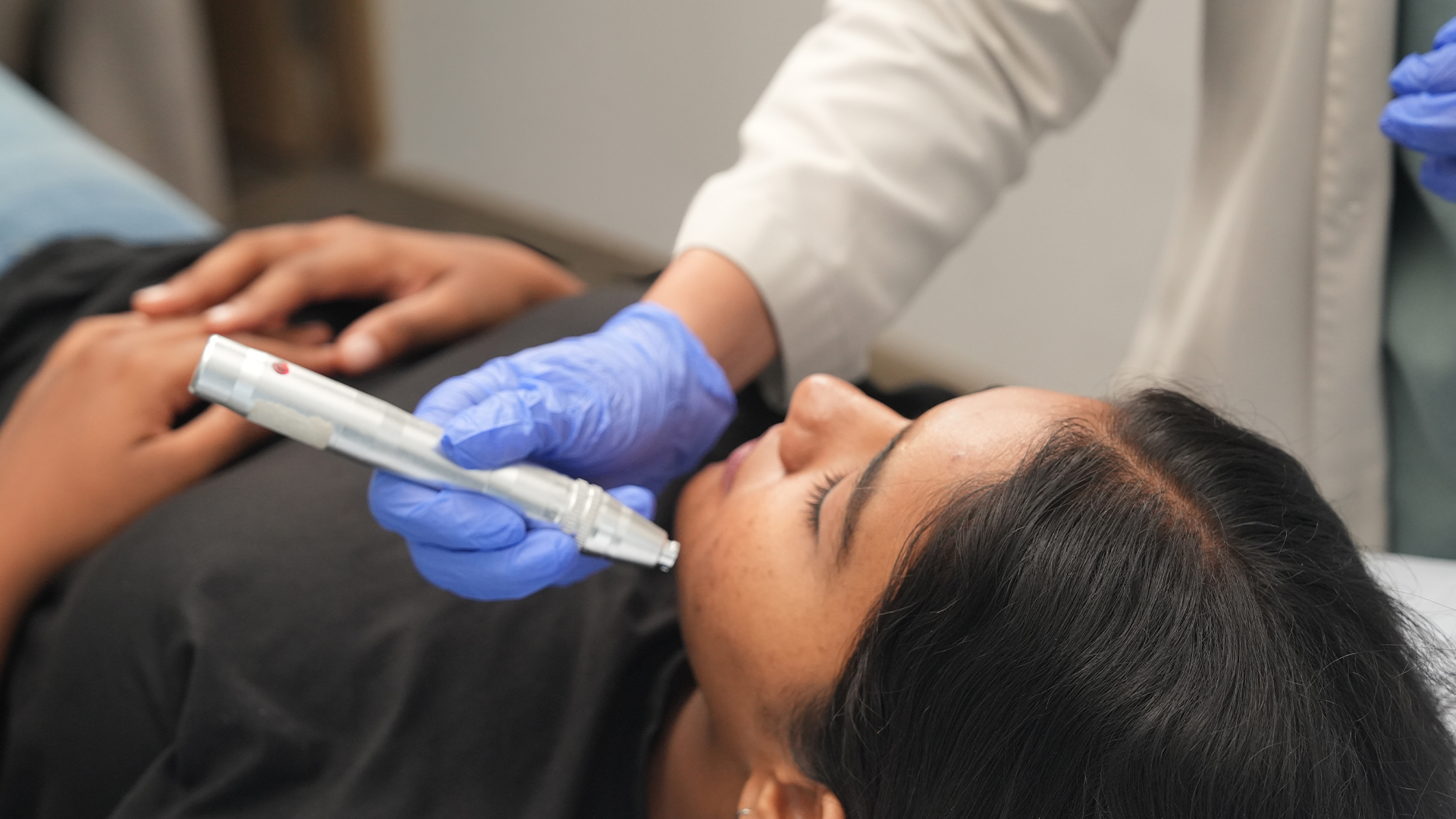
Microneedling
A minimally invasive procedure using fine needles to trigger collagen production, improving acne scars, uneven texture, and overall skin quality.
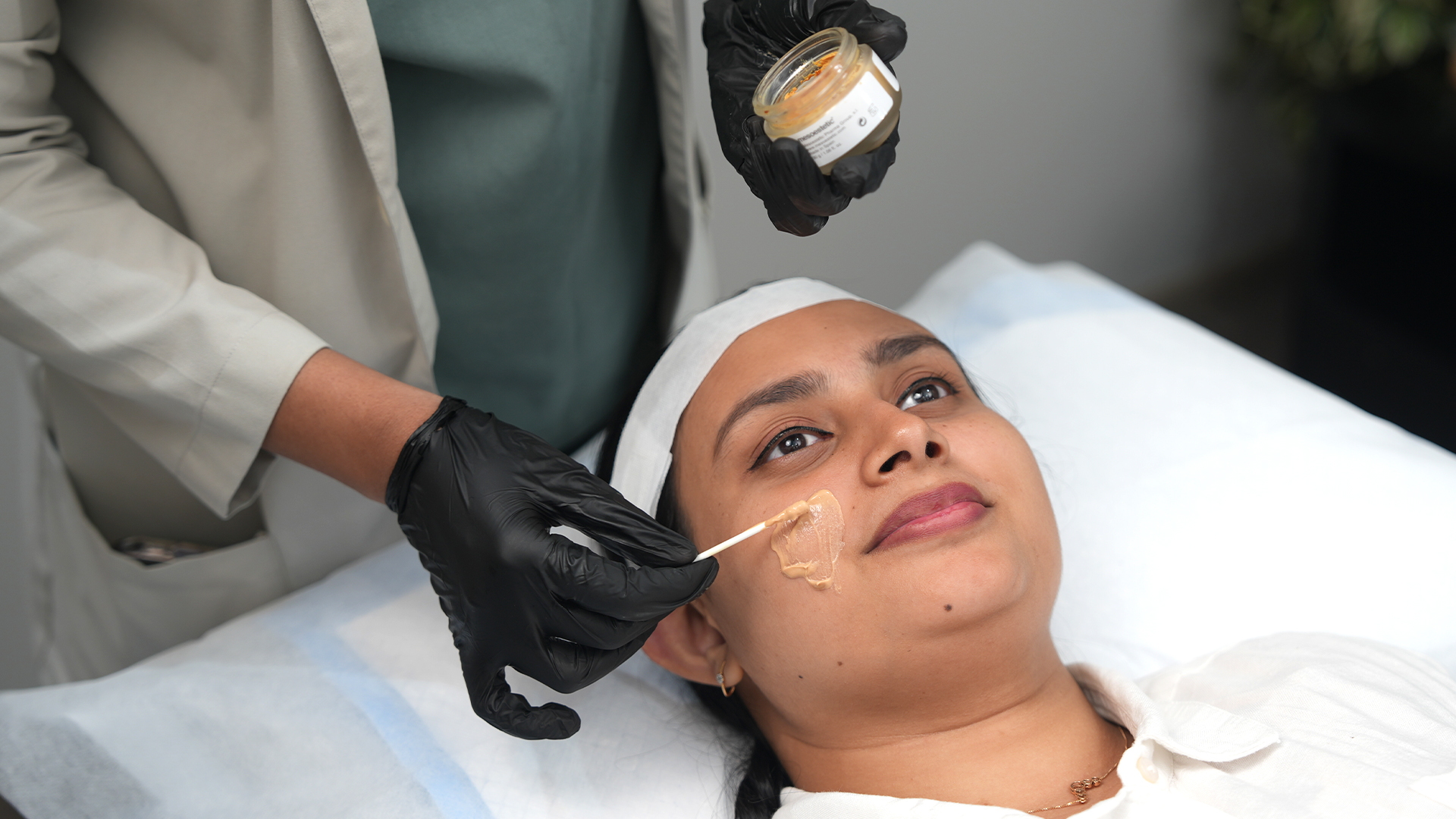
Cosmelan Peel
An intensive medical depigmentation treatment that targets melanin production at its source, followed by a structured home-care phase for sustained results.
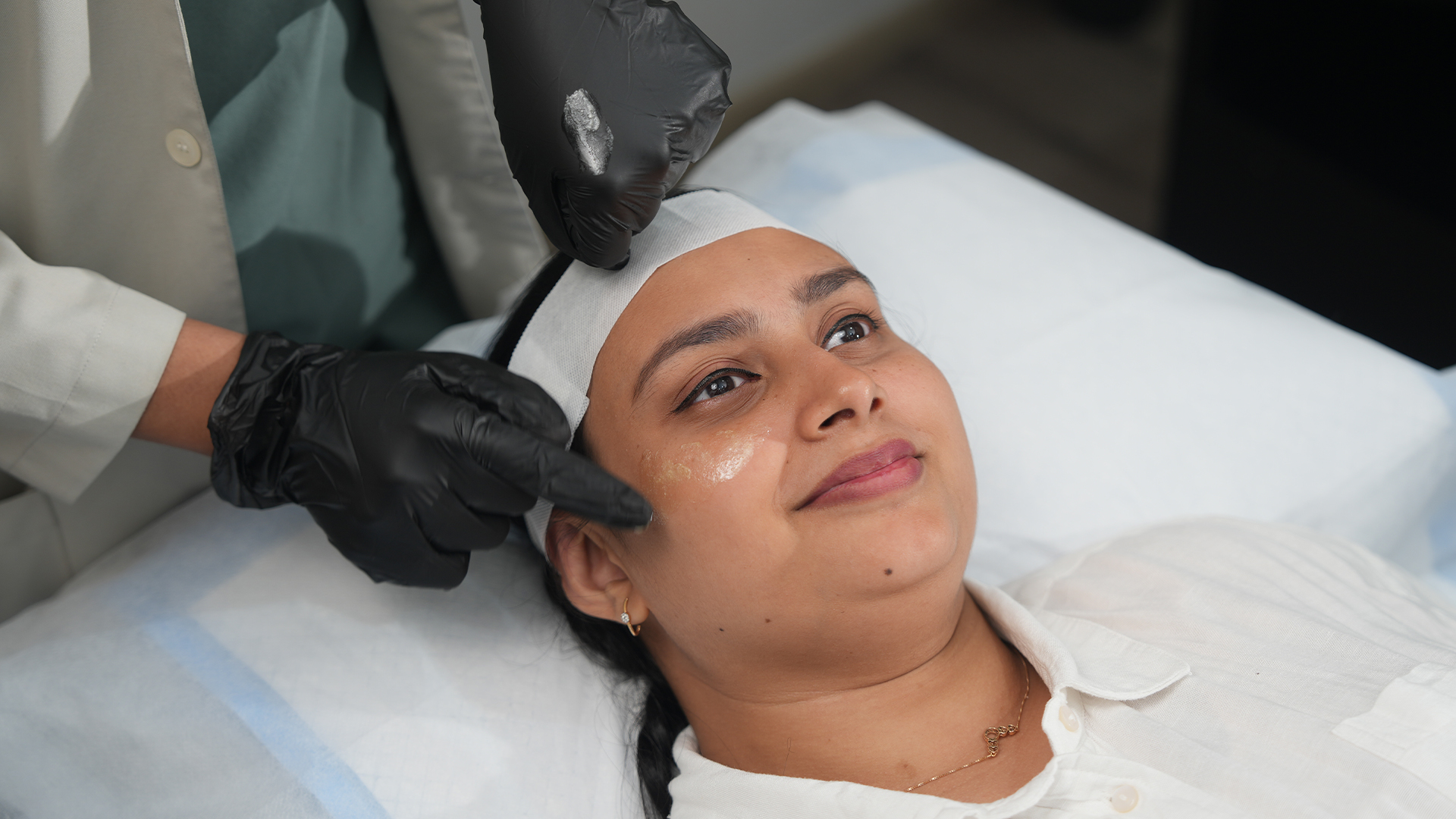
Brite Peel
A medical depigmenting peel designed for stubborn melasma, dark patches and sun-induced pigmentation that has not responded to regular skincare.
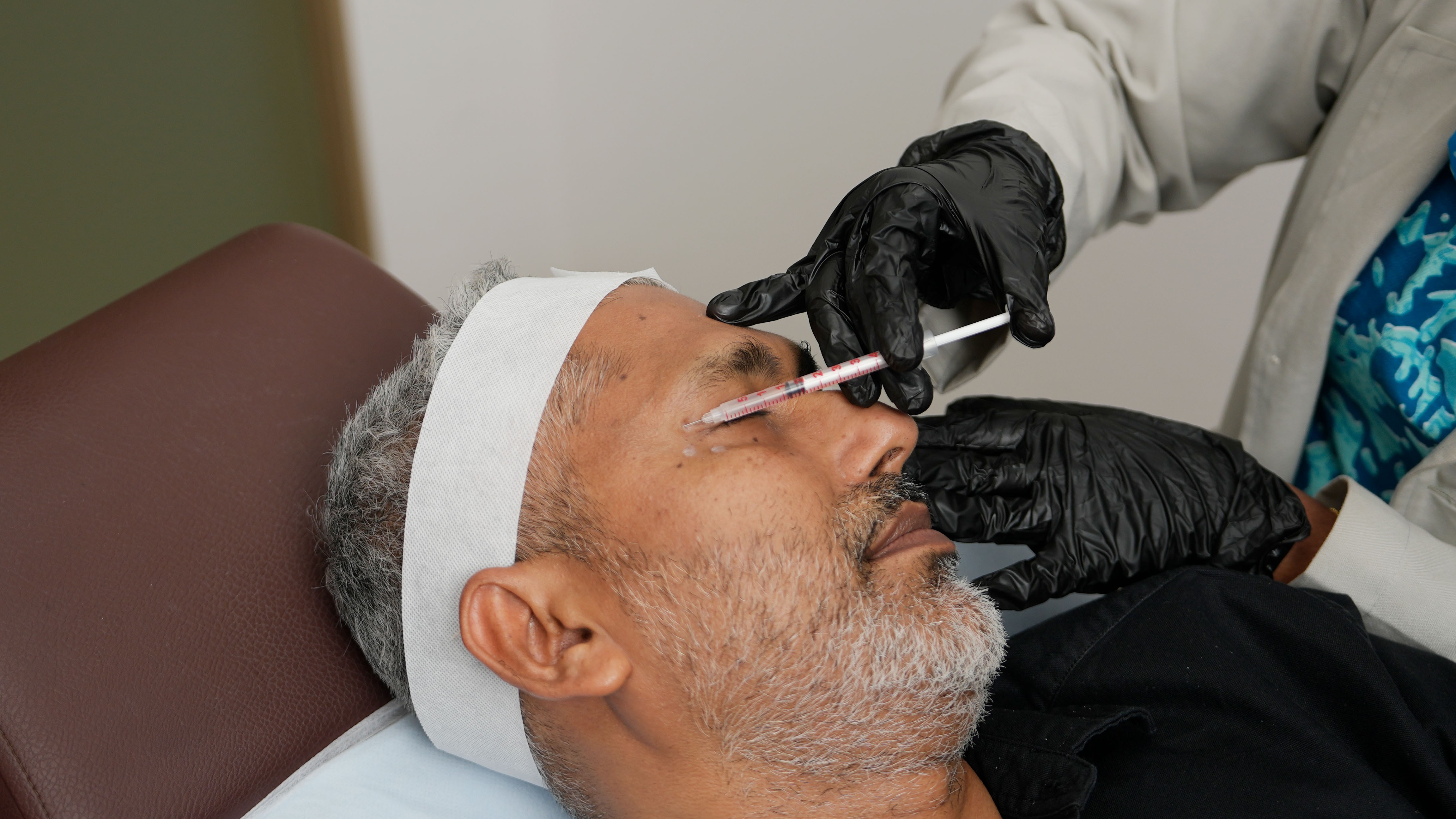
Botox
An injectable treatment that temporarily relaxes facial muscles responsible for expression lines, softening wrinkles and refining the jawline.
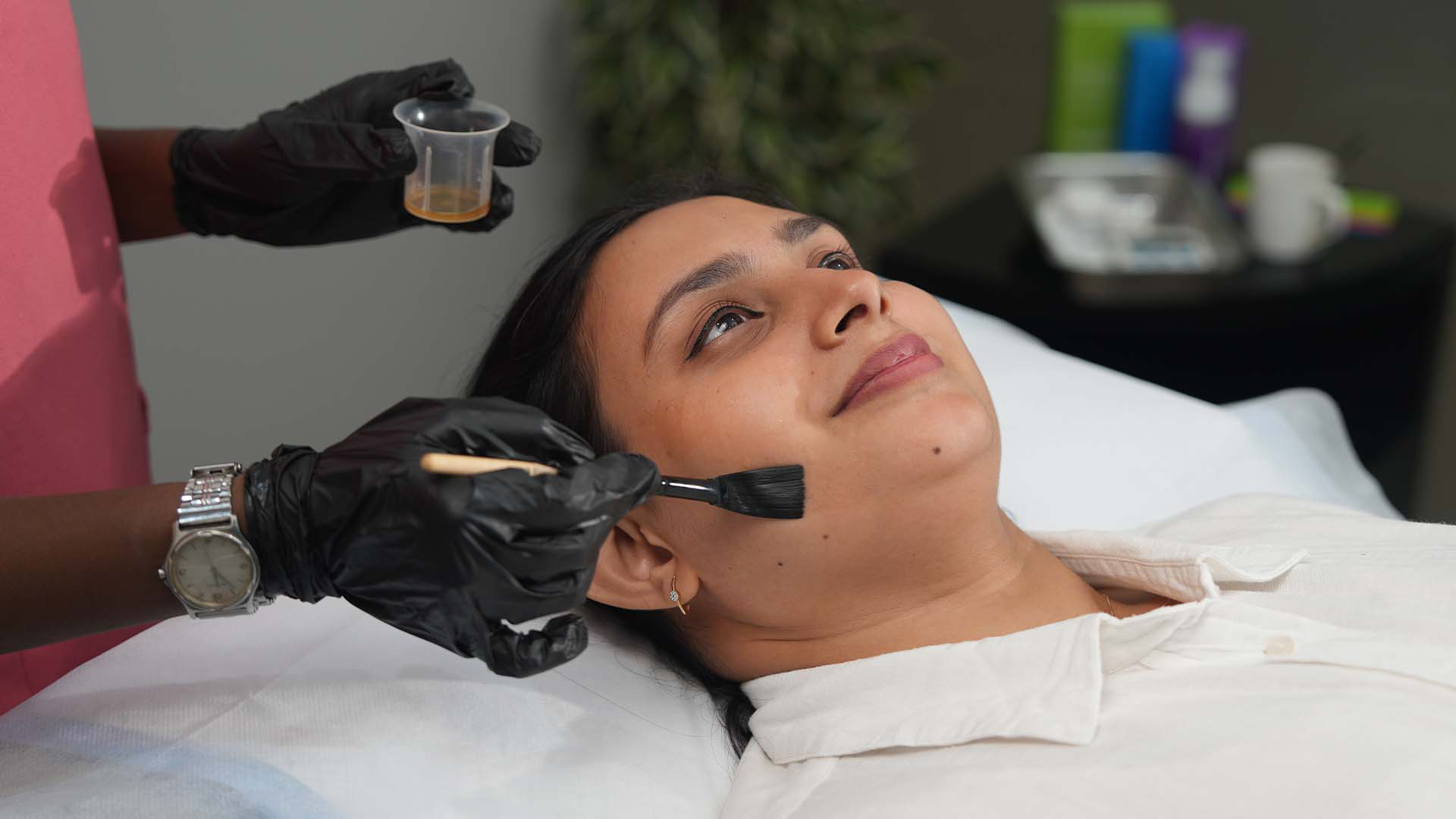
Peel Black
A medical-grade chemical peel designed for oily and acne-prone skin, using salicylic acid to clear congested pores and reduce active breakouts.
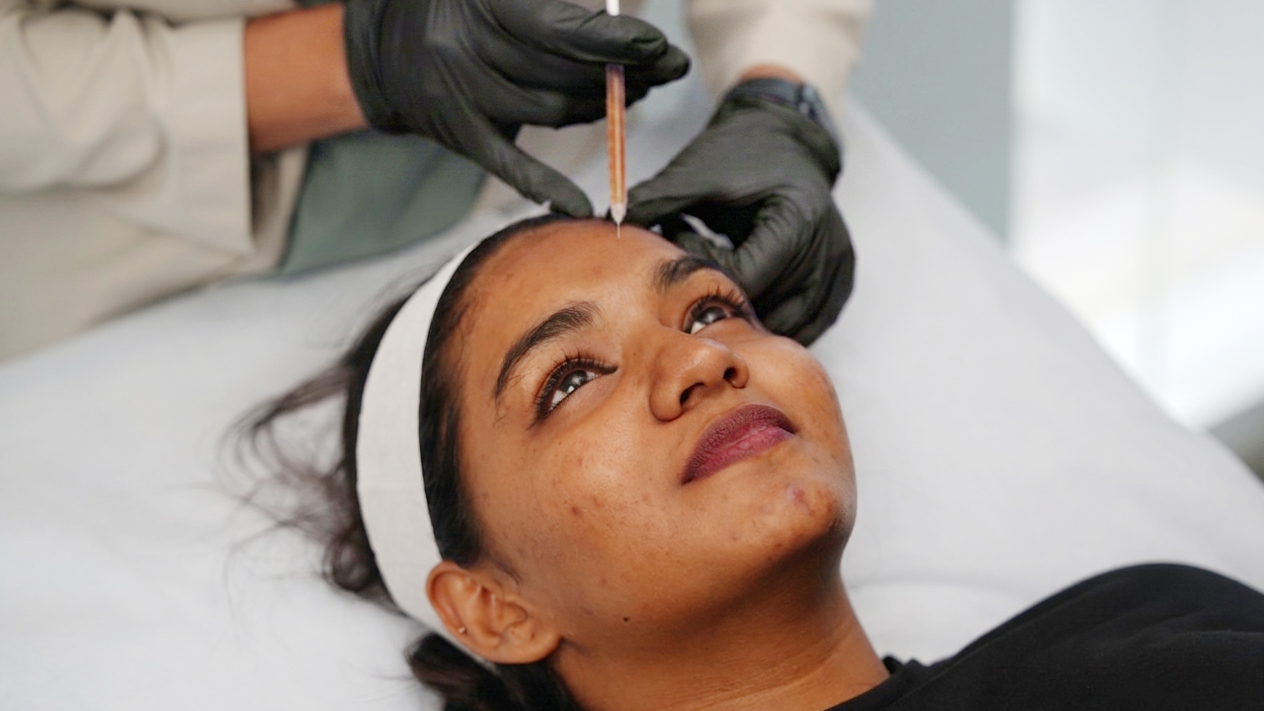
GFC for Skin
A refined regenerative skin treatment isolating a higher concentration of growth factors for targeted collagen stimulation and skin quality improvement.
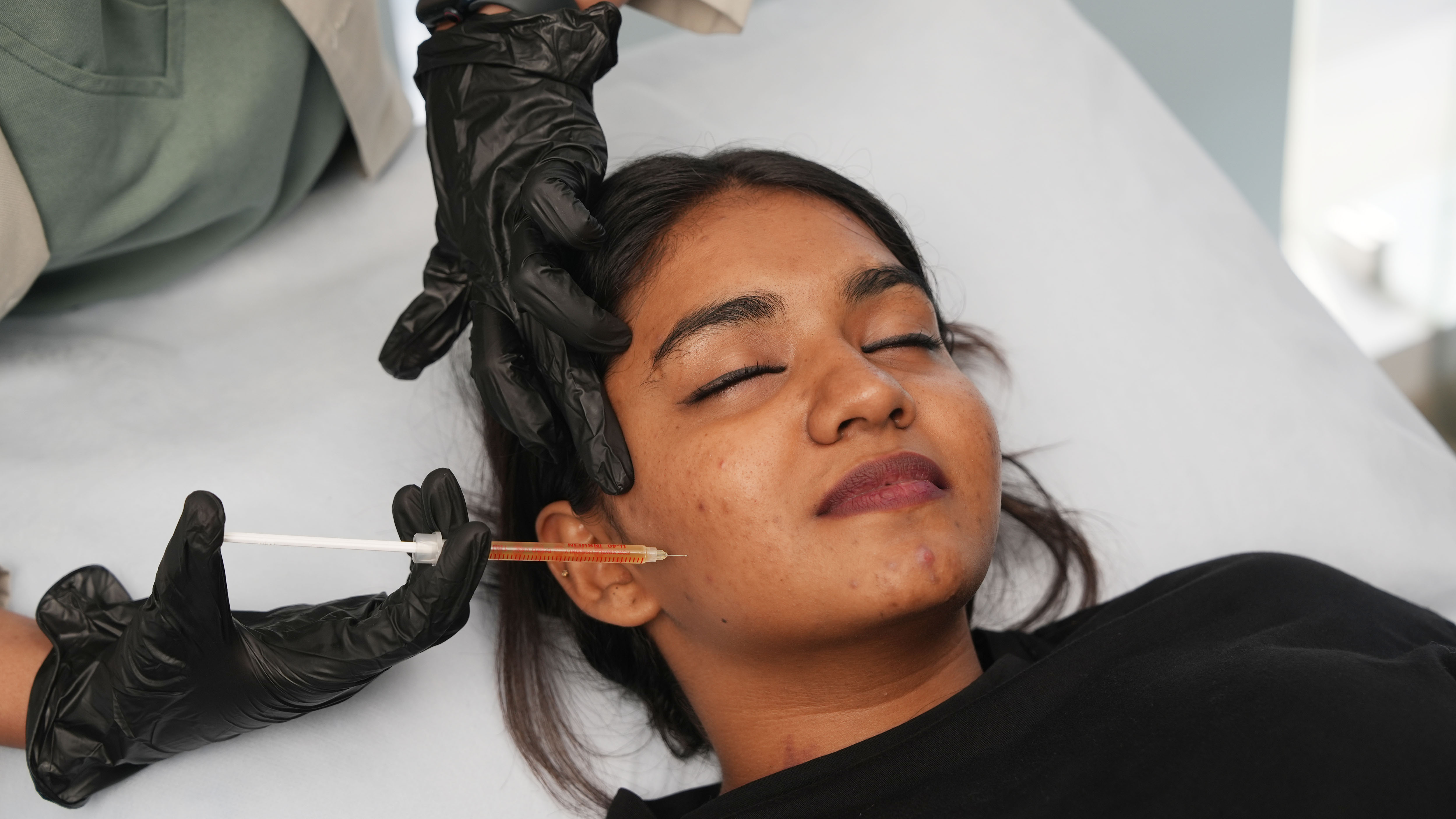
PRP for Skin
A skin treatment using your own blood's concentrated platelets to stimulate collagen, improve texture and restore a healthier, even tone.
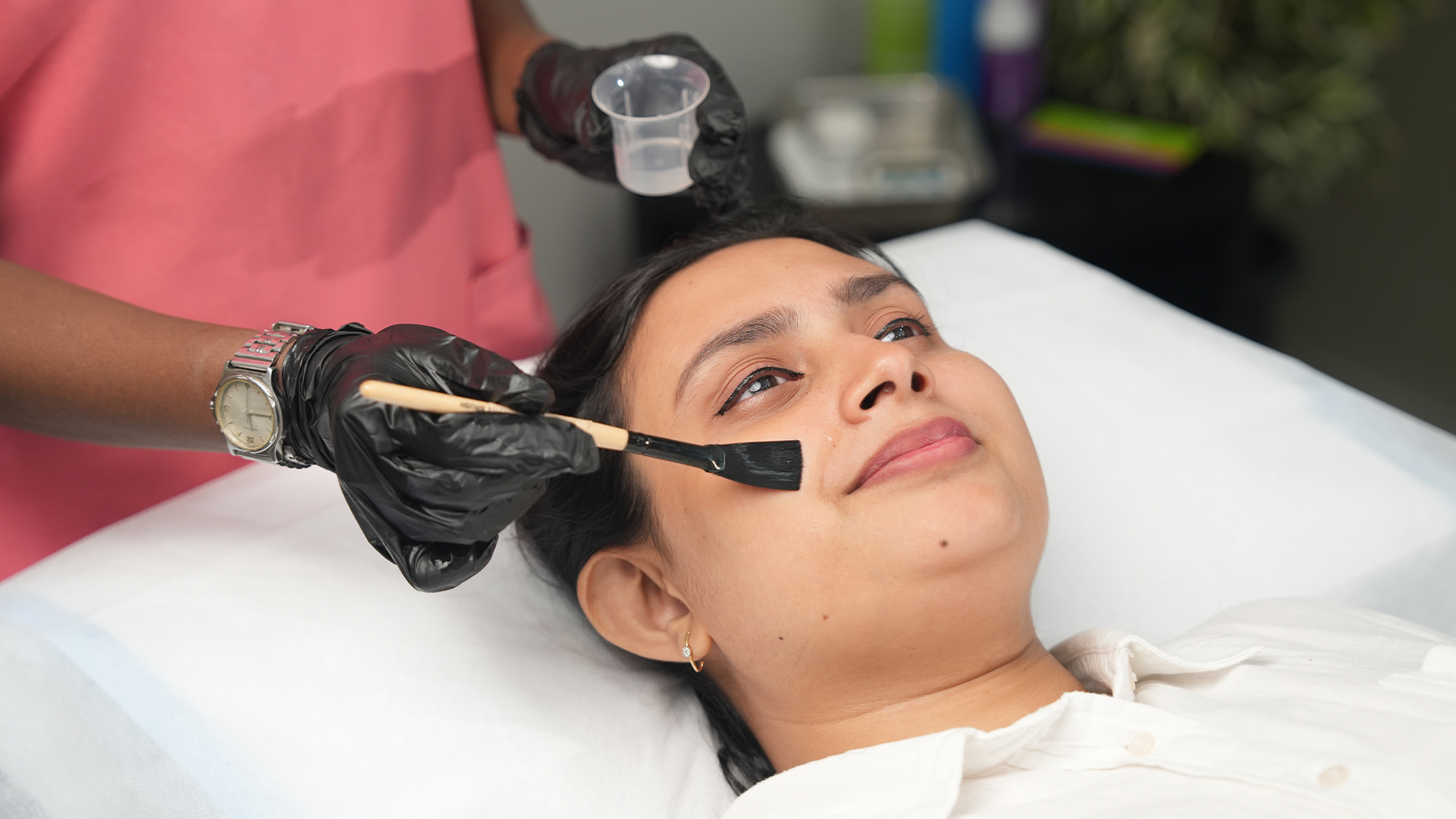
Medipeel
A clinically supervised chemical exfoliation that addresses acne, pigmentation, uneven texture and dullness using medical-grade formulations.
The full picture of
hair thinning.
01
Why It Happens
+
02
Who It Affects
+
03
How We Approach It
+
A consultation is just a conversation
You come in with your concerns, we take the time to understand them, and you leave with a clearer picture than you walked in with.
How long does treatment take to show results?
+
Superficial pigmentation typically begins to improve within 2–3 sessions. Deeper pigmentation, particularly melasma, usually requires a structured 6–8 session plan with gradual improvement continuing between treatments.
Is pigmentation treatment safe for darker skin tones?
+
Yes. When properly selected and dosed, treatments are safe and effective across all skin tones. Protocols are carefully customised to minimise the risk of post-inflammatory pigmentation.
Can pigmentation be permanently removed?
+
Epidermal pigmentation such as sun spots and mild post-inflammatory marks can often be cleared effectively with long-lasting results when sun protection is maintained. Melasma and deeper dermal pigmentation require ongoing management due to their chronic and reactive nature.


